
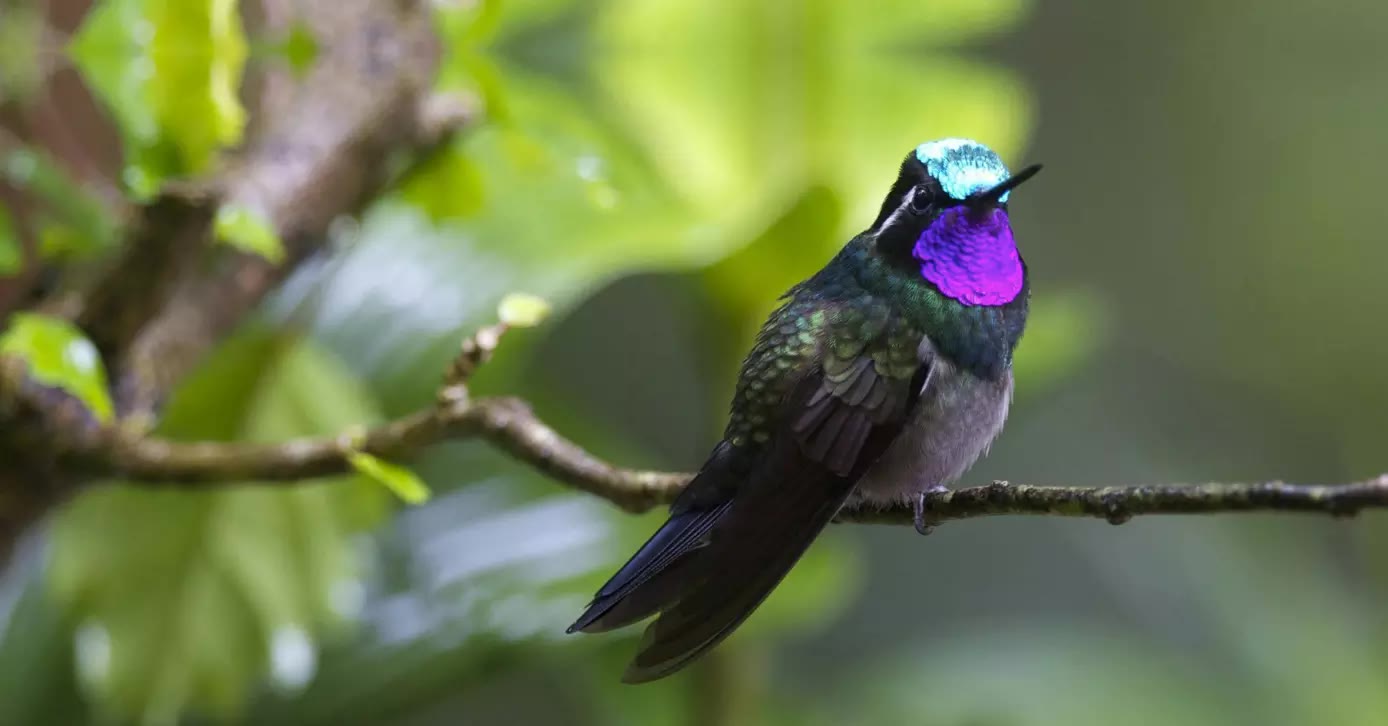
Bird watching La Fortuna is best at dawn, when the forest is cooler and birds are feeding, calling, and moving through the canopy. In the Arenal lowlands, you can expect colorful common species, but sightings change daily. A guided walk is usually the smartest choice for beginners and anyone short on time.
Why La Fortuna works so well for birding
Bird watching La Fortuna is one of those activities that looks simple until you try it at 10:30 a.m. and hear almost nothing. Around here, the first light of day is the whole game. Birds move early to feed, and the temperature is calmer before the heat and traffic build.
If you’re planning bird watching Costa Rica style, La Fortuna is a strong base because you’re not just near the volcano. You’re also close to forest edge, second-growth habitat, farms, streams, and roadside trees where birds often feed. That mix gives birders a real chance to see a lot in a short time.
I always tell visitors that La Fortuna is good for two kinds of people: the keen birder who wants one productive morning, and the casual traveler who just wants to learn a few names and spot something beautiful before breakfast.
Why mornings are the sweet spot
What changes after sunrise
The short version? Birds get active early, then settle down. By late morning, many species are higher in the canopy, feeding in different spots, or simply less vocal. Once the sun gets stronger, you can still bird, but you’ll usually work harder for fewer views.
On our last visit through the Arenal lowlands, the most movement came between 5:45 a.m. and 8:00 a.m. That’s when we heard the most calls, saw the best eye-level activity, and had the easiest time locating mixed flocks.
A good morning birding window usually looks like this:
-
5:30–6:30 a.m.: peak dawn chorus, best for calls and movement
-
6:30–8:00 a.m.: strongest mix of feeding birds and canopy activity
-
8:00–9:30 a.m.: still worthwhile, but quieter and warmer
-
After 10:00 a.m.: more hit-or-miss unless you’re in a very birdy habitat
If you want the best odds, go early and go slow. Birding is one of the few activities here where five quiet minutes can produce more than 30 rushed ones.
Birds you may see around La Fortuna
Let me be careful here, because this matters: no one can promise species on a birding tour. Weather, season, fruiting trees, and the exact trail all change what’s around. But in the Arenal lowlands, these are the well-known birds many travelers hope for.
Common birds of La Fortuna and the Arenal lowlands
You may see:
-
Keel-billed toucans and sometimes other toucan species in fruiting areas
-
Montezuma oropendolas with those dramatic hanging nests
-
Collared aracaris in the right forest edge habitat
-
Hoffmann’s woodpeckers and other woodpecker species
-
Motmots, including the iconic blue-crowned motmot
-
Tanagers like green honeycreepers, palm tanagers, and summer tanagers
-
Hummingbirds at flowering shrubs and feeders
-
Orioles moving through open edges and taller trees
-
Parrots and parakeets in louder flying groups
-
Raptors such as hawks and caracaras overhead
-
Flycatchers, warblers, and wrens that trained guides help identify fast
If toucans La Fortuna is what you’re after, I’d set your expectations realistically. You can absolutely have good toucan sightings here, but they’re usually tied to trees with fruit and to the right time of day. That’s exactly why a guide helps so much.
What beginners usually notice first
Most first-time birders don’t start with tiny warblers. They start with the obvious birds:
-
bright color
-
big bills
-
loud calls
-
movement in open branches
-
birds crossing the road at dawn
That’s not a bad thing at all. Some of the best bird watching tour Arenal experiences are really about learning to see, not just checking species off a list.
Guided bird watching vs going on your own
A lot of travelers ask me if they really need a guide. My honest answer is: not always, but a guide usually gives you a much better morning.
If you go on your own, you’ll save money and have total flexibility. If you go with a guide, you’ll usually identify more birds, waste less time, and understand what you’re looking at instead of just guessing.
Guided birding is best if you want:
-
help identifying birds by sight and call
-
a relaxed pace with a local specialist
-
a short activity that fits a travel day
-
a better chance of finding active trails at dawn
-
a beginner-friendly introduction to birding
Self-guided birding is better if you want:
-
maximum flexibility
-
a very low-cost outing
-
to move at your own pace
-
a quiet solo walk with your own optics and field guide
-
to combine birding with photography stops
The catch is that birding is not like a beach walk. Many species are loud before you can see them, and some are gone in seconds. A guide hears, spots, and translates the whole scene much faster than most travelers can on their own.
Local tip: if you only have one morning in La Fortuna, don’t schedule birding after breakfast. Start at dawn, then keep the rest of the day open for hanging bridges, hot springs, or a lazy coffee in town.
What our bird watching tour includes
If you want an easy, low-stress way to do bird watching La Fortuna, we offer a bird watching tour in La Fortuna through Plan My Costa Rica that fits beginners and keen birders alike.
It’s a simple format, which is exactly why people like it. The walk is about 2 hours, uses up to four birding trails, and the guide provides binoculars and a bird list. You also get American breakfast and fresh fruit, plus professional bilingual guides.
Here’s the current November 2026 snapshot:
-
From $63 per adult
-
$47 for ages 5 and up
-
Ages 2–4 free
-
About 2 hours
-
Easy difficulty
That setup works especially well if you want something manageable before a bigger day in the Arenal area. If you’re comparing wildlife options more broadly, you can also browse our La Fortuna wildlife tours to see how birding fits beside other nature-focused outings.
What to bring for a better morning
Birding is one of those activities where a few small items make a big difference. You don’t need fancy gear to enjoy it, but you do want to be comfortable, quiet, and ready for humid weather.
Packing list for birding in La Fortuna
-
Binoculars if you have your own, even though the tour provides them
-
Closed-toe shoes with grip; trails can be damp and muddy
-
Light long sleeves or a breathable shirt
-
A rain jacket or compact poncho
-
Bug spray
-
Water bottle
-
Phone with zoom, or a small camera if you like photos
-
A tiny notebook if you enjoy tracking species
-
Sunglasses and a cap for after sunrise
A lot of visitors overpack for birding and then realize they only needed the basics. The bigger mistake is wearing sandals or forgetting insect repellent.
What to leave at the hotel
-
Loud clothing that makes rustling noises
-
Heavy bags you won’t want to carry at dawn
-
Strong perfume or scented lotion
-
Hard snacks that require noisy wrappers
Birding is a quiet activity. The less you fuss, the more you hear.
How to choose the right birding day in La Fortuna
Some mornings are simply better than others. Rain can reduce visibility, but it can also bring out certain species. A dry, cool dawn is usually the easiest for beginners, while serious birders may be happy in almost any conditions if they know how to adapt.
The biggest factor is the habitat you’ll be in. In and around La Fortuna, bird activity can change a lot depending on whether you’re near forest edge, open pasture, gardens, or thicker growth. That’s one reason a birding tour Arenal format tends to work: the guide can choose the best trail for the day.
Here are the main timing and weather cues I watch:
-
Best overall: clear or lightly cloudy dawn
-
Still good: overcast mornings with no heavy rain
-
Trickier: bright, hot mornings after a dry night
-
Less ideal: sustained rain or windy conditions
If you’re staying longer in town, pairing birding with other wildlife experiences is smart. Many travelers combine a morning walk with a family-friendly outing later in the trip, and our family tours in La Fortuna are a good match if you’re traveling with mixed ages.
Birding alone vs booking a tour: the real tradeoff
The decision usually comes down to time, confidence, and how much you care about IDs.
If you bird on your own, you might spend a lot of the morning hearing things you can’t identify. If you book a guide, you pay more, but you usually come away with a better understanding of the area and a stronger species list.
A simple comparison
Going on your own
-
Lowest cost
-
Flexible schedule
-
Good if you already bird regularly
-
Easier for photographers who want to linger
-
More likely to miss calls and small species
Booking a guided walk
-
Faster learning curve
-
Better for beginners
-
More species identified in less time
-
Easier to focus on enjoyment instead of constant scanning
-
Costs more, but often feels more efficient
For travelers who want an efficient nature morning, a guided birding walk is usually the better value. For travelers who want silence, independence, and a self-paced stroll, solo birding can be lovely too.
Where bird watching fits into a La Fortuna itinerary
La Fortuna works well because birding doesn’t have to take over your whole day. Two hours is enough to get a meaningful start, and then you can keep moving.
A common flow I recommend looks like this:
-
5:45 a.m. birding walk
-
8:00 a.m. breakfast or second coffee in town
-
Late morning hanging bridges, waterfall, or a light activity
-
Afternoon hot springs, downtime, or a rainforest add-on
If your main goal is wildlife and not just birds, it can also make sense to pair birding with another nature tour nearby. That keeps the day cohesive instead of feeling like a long list of disconnected stops.
For travelers who want to compare options, our La Fortuna tours guide is a useful place to sort through wildlife, volcano, hanging bridge, and family-friendly choices.
Final thoughts from the field
Bird watching La Fortuna is at its best when you treat it like a sunrise habit, not a late-morning errand. Start early, keep your expectations grounded, and let the guide do the listening if you’re new to birding. That’s how many travelers end up remembering their first toucan, not just the volcano.
If you want the easiest version, book a short guided walk, bring good shoes, and show up before dawn with an open mind. The birds of La Fortuna usually reward the people who are willing to be quiet first.
What makes a dawn birding walk in La Fortuna worth it?
Because you get the most activity in the least amount of time. Early mornings are cooler, birds are louder, and the forest edge is alive with movement before the day heats up.
Let's build your Costa Rica trip.
Browse locally-vetted tours, or tell us what you're dreaming up and we'll help shape it.
Common questions
What is the best time for bird watching in La Fortuna?+
The best time is usually at sunrise through the first two hours after dawn, roughly 5:30 a.m. to 8:00 a.m. That’s when birds are feeding and calling most actively.
Can I see toucans in La Fortuna?+
Yes, toucans are possible in the area, especially around fruiting trees and early in the day. Still, sightings are never guaranteed, and the exact species can vary by season and habitat.
Do I need binoculars for bird watching in La Fortuna?+
You don’t absolutely need your own if you book a guided walk, since our tour includes binoculars. But if you already have a pair you like, bringing them is always a plus.
Is bird watching in La Fortuna good for beginners?+
Very much so. An easy guided walk is one of the best ways to learn the basics, because the guide helps with calls, behavior, and identification.
How long is a typical birding tour in La Fortuna?+
The bird watching tour we offer is about 2 hours, which is ideal if you want a focused morning without giving up the rest of the day.
What should I wear for a birding tour in Arenal?+
Wear closed shoes, light clothes, and something that can handle humidity or a quick rain shower. A hat, bug spray, and a rain layer are smart additions.
Is it better to bird watch on my own or with a guide?+
If you already know birds well, solo birding can be great. If you want to see more, identify species faster, and avoid wasting time, a guided birding tour is usually the better choice.