
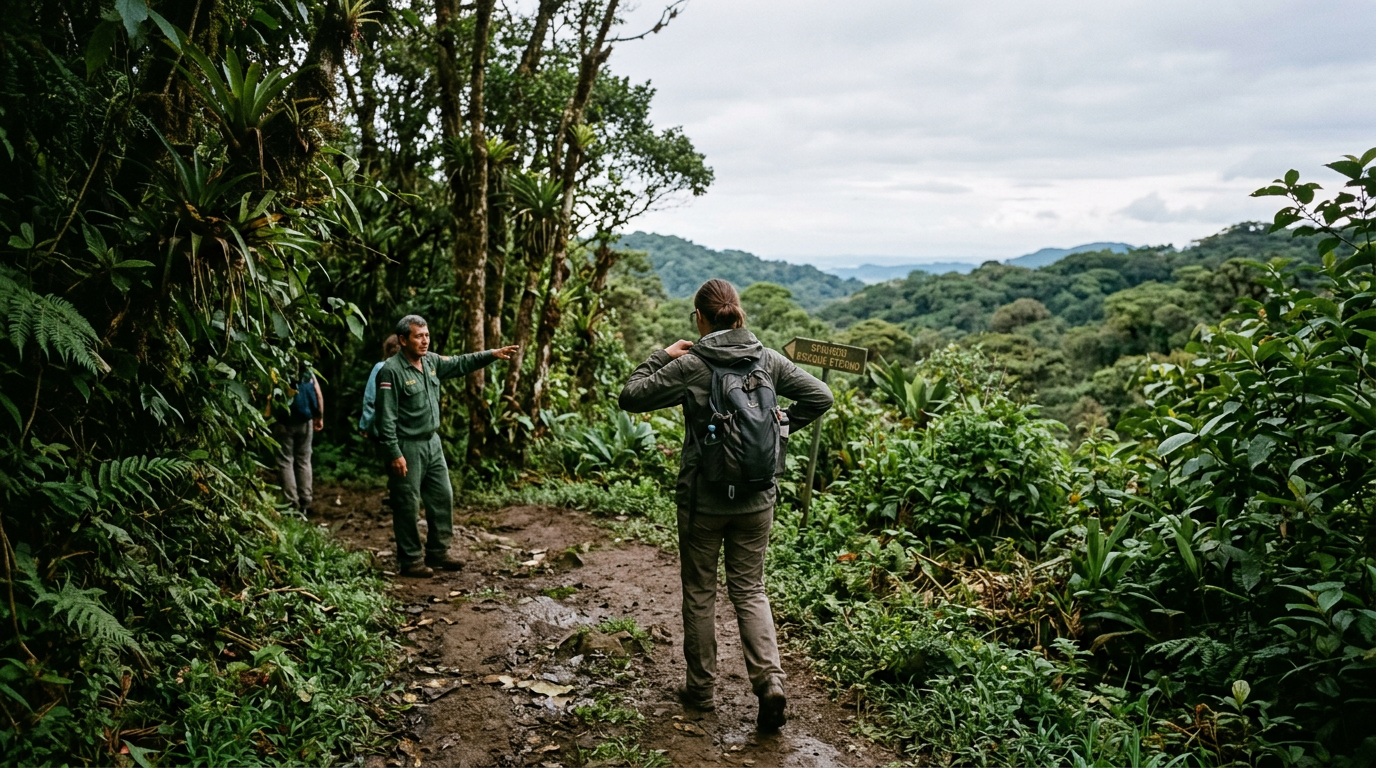
Costa Rica in March is usually hot, dry, and reliably sunny on the Pacific side, with some of the best beach weather of the year. It’s peak season, so expect higher prices and fuller parks, but also long stretches of blue-sky travel from Guanacaste to Manuel Antonio and the Central Valley.
At noon in March, the sand can feel warm under your feet and the shade disappears fast. By late afternoon, you’ll see families heading for cold coconuts, surfers rinsing salt from their boards, and tourists squinting at a sky that rarely looks this clear for long.
Is Costa Rica in March good for a vacation?
Yes—Costa Rica in March is one of the easiest months to plan around if you want sun and predictable roads. It sits near the end of the dry season on the Pacific side, so many travelers get beach days, clear volcano views, and smooth intercity driving.
The trade-off is simple: March is popular. We’ve watched availability tighten on the most sought-after dates, especially around Easter week, and prices usually rise with demand. If you want the best combination of choice and value, book earlier than you think you need to.
What is the weather in Costa Rica in March?
March is generally hot and dry, but the details shift by region. The Pacific lowlands usually get the clearest skies, while the mountains stay cooler and the Caribbean can still throw in rain showers.
Typical March temperatures by region
Here’s the broad pattern we see most years:
-
Guanacaste and Nicoya Peninsula: 85–95°F (29–35°C) daytime, warmer inland
-
Central Pacific like Jacó and Manuel Antonio: 82–91°F (28–33°C)
-
Central Valley including San José: 68–82°F (20–28°C)
-
Arenal / La Fortuna area: 75–88°F (24–31°C)
-
Caribbean coast like Puerto Viejo and Cahuita: 79–88°F (26–31°C), with more frequent showers
Rain is still possible anywhere, but in March it is usually brief and local rather than day-ruining. On the Pacific side, the bigger weather issue is sun intensity, not rain.
Does it rain in Costa Rica in March?
Usually not much on the Pacific side. In most years, March is still very much dry season there, though you can get the occasional evening shower in places like Monteverde or near the mountains.
The Caribbean side behaves differently. Tortuguero, Cahuita, and Puerto Viejo often see more moisture year-round, so March there can feel more humid and less settled than Tamarindo or Manuel Antonio.
Which parts of Costa Rica are best in March?
If your main goal is to enjoy the classic dry-season version of the country, focus on the Pacific coast and the northern volcano belt. If you want cooler air and forest walks, the highlands are also a strong pick.
Best beach areas for sun
For travelers chasing the driest conditions, these are the usual winners:
-
Tamarindo and Flamingo for easy beach access and lots of services
-
Nosara and Sámara for a softer, surf-friendly feel
-
Manuel Antonio for beach plus wildlife in one trip
-
Uvita if you want whales-and-beaches energy without the same level of resort density
A classic 7-night March itinerary might split time between the coast and one inland stop. If you want to build that around the Pacific, our Manuel Antonio destination guide is a useful starting point.
Best places for wildlife and volcano views
March is often excellent for animal sightings because the trails are dry and easier to walk. Sloths, monkeys, toucans, iguanas, and coatis are active year-round, but clear weather improves your odds of actually seeing them.
Top inland picks include:
-
La Fortuna / Arenal for volcano views, hot springs, and easy excursions
-
Monteverde for cloud forest walks and cooler evenings
-
Rincón de la Vieja for geothermal scenery and hiking
-
Sarapiquí for birding, rivers, and lowland rainforest
If you’re combining March weather with adventure, look at our Costa Rica volcano tours or rainforest tours depending on whether you want lava landscapes or jungle trails.
Is March crowded and expensive in Costa Rica?
Usually, yes. March is high season, and by mid-month the country feels full of North American and European holidaymakers, especially in beach towns and around the most famous parks.
Expect higher rates for:
-
Hotels and villas in Tamarindo, Manuel Antonio, La Fortuna, and Monteverde
-
Rental cars, especially automatic 4x4s
-
Popular day tours and private guides
-
Flights, especially if your dates overlap with spring break or Easter
As of August 2026, a reasonable March budget range looks like this:
-
Mid-range hotel room: $110–$220 per night in busy areas
-
Beachfront or upscale stays: $250–$600+ per night
-
Shared shuttle airport transfer: $50–$120 per person depending on route
-
Private transfer: $180–$450+ per vehicle on longer routes
-
Guided day tour: $65–$140 per adult, more for private or specialty tours
Plan My Costa Rica’s car-rental recommendations are coming soon. Until then, book directly with a provider you trust and confirm the final price, insurance, and vehicle details before paying.
Local tip: If your March dates overlap with Holy Week, treat it like a holiday rush, not a normal week. Beaches, ferries, and hotel check-ins get busier, and the safest move is to reserve everything before you arrive.
What should you pack for Costa Rica in March?
Pack for heat, glare, and one or two cooler nights in the mountains. The biggest mistake we see is travelers bringing only beach clothes and forgetting how strong the sun feels after a few hours outdoors.
What to bring
-
Lightweight shirts and shorts that dry quickly
-
A swimsuit and a rash guard for beach and boat days
-
Comfortable walking shoes with grip for trails and viewpoints
-
Sandals or water shoes for hot sand and rocky river edges
-
A sun hat and polarized sunglasses
-
Reef-safe sunscreen and insect repellent
-
A light rain layer if you’re going to Monteverde, the Caribbean, or the mountains
-
A refillable water bottle for long drives and hikes
If you’re heading to Arenal, Monteverde, or San José, pack a thin long-sleeve layer too. After sunset, the air can feel noticeably cooler, especially at elevation.
What not to overpack
You do not need heavy jackets, boots for every day, or a pile of dress clothes unless your trip is built around a special event. Costa Rica in March is casual, and most people live in T-shirts, quick-dry clothes, and sandals.
A few smart extras can save the day:
-
Dry bags or zip pouches for boat trips
-
A power bank for long driving days
-
A compact umbrella if you’re visiting the Caribbean coast
-
A reusable grocery bag for snacks and beach gear
How should you plan an itinerary around March weather?
The best March itinerary depends on whether you want guaranteed sun, wildlife, or cooler forest air. In general, the Pacific coast plus one inland destination is the safest and most rewarding combination.
Easy March trip ideas
-
Beach-first trip: Liberia or San José → Tamarindo → Nosara or Sámara
-
Classic highlights: San José → La Fortuna → Monteverde → Manuel Antonio
-
Nature-heavy trip: San José → Sarapiquí → Tortuguero or Cahuita → La Fortuna
-
Short luxury break: Manuel Antonio or Guanacaste with one guided wildlife day
Drive times matter more than map distance. La Fortuna to Monteverde is about 130 km / 81 miles, but the drive usually takes around 3.5 to 4.5 hours depending on road conditions. San José to Manuel Antonio is roughly 160 km / 100 miles and often takes 3 to 3.5 hours.
If you’re self-driving, you’ll have the most flexibility in March, but the popular routes fill up fast. For many travelers, that makes a rental car worth the cost, especially if you want to stack beaches, cloud forest, and volcanic areas in one week.
Good route choices for March
-
Liberia airport for Guanacaste beaches and shorter drives
-
San José airport for La Fortuna, Monteverde, Manuel Antonio, and the Caribbean
-
One-way rentals if you want to avoid backtracking
-
2WD only on the main highway network, but 4x4 helps for remote beaches, hilltop lodges, and rougher side roads
What are the main downsides of visiting in March?
March is excellent, but not perfect. The biggest downside is heat plus crowds, especially if you’re sensitive to strong sun or you prefer quieter trails.
A few practical pain points show up again and again:
-
Midday beach heat can be intense
-
Popular parks may have early entry lines
-
Accommodation rates stay elevated
-
Last-minute private guides can be hard to secure
-
Easter week can complicate ferry schedules and highway traffic
That said, March still beats many other months if your priority is dependable outdoor time. We usually recommend it over the wetter transition months for first-time visitors who want simple logistics.
So, is March better than the rainy season?
For most travelers, yes. If you want the version of Costa Rica that appears in the classic postcard images—blue water, dry trails, open volcano views—March is one of the safest bets.
If your dream trip is more about lush green hills, lower prices, and fewer crowds, then the rainy season may suit you better. But for a first visit, March offers a very strong mix of weather reliability and activity options.
Plan My Costa Rica’s car-rental recommendations are coming soon. Until then, book directly with a provider you trust and confirm the final price, insurance, and vehicle details before paying.
Bottom line: Costa Rica in March is hot, sunny, and busy, but it is one of the best months for a classic first trip. Pick the Pacific side for the driest weather, book early, and pack for sun rather than rain. Done well, March gives you the country at its most travel-friendly.
Let's build your Costa Rica trip.
Browse locally-vetted tours, or tell us what you're dreaming up and we'll help shape it.
Common questions
Is March a good time to visit Costa Rica?+
Yes. March is one of the best months for dry weather, especially on the Pacific side. It’s also peak season, so book early for better rates and availability.
Does it rain in Costa Rica in March?+
Usually not much on the Pacific side. The Caribbean coast can still get frequent showers, and mountain areas may see brief rain or mist.
How hot is Costa Rica in March?+
Coastal areas often reach 82–95°F (28–35°C), while the Central Valley and higher elevations stay cooler, especially at night.
Is March crowded in Costa Rica?+
Yes, especially in beach towns, Manuel Antonio, La Fortuna, Monteverde, and around Easter week. Expect higher prices and fuller hotels.
What should I wear in Costa Rica in March?+
Light, breathable clothes, sandals or trail shoes, a swimsuit, sun protection, and a light layer for mountain evenings. A rain jacket is smart for the Caribbean or cloud forest.
Which part of Costa Rica has the best weather in March?+
Generally the Pacific coast and northwestern regions, including Guanacaste, Tamarindo, Samara, Manuel Antonio, and Uvita.
Is a 4x4 necessary in March?+
Not always, but it helps if you’re visiting remote beaches, hill lodges, or unpaved roads. For main highways and major tourist routes, a 2WD can be enough.