weather-season

Costa Rica in January: Weather, Crowds, Costs, and Best Plans

January is one of Costa Rica’s most popular travel months. Here’s what weather, crowds, prices, roads, and region-by-region conditions really look like.

Plan My Costa Rica Team· Local travel editorsAugust 2, 20267 min read

Costa Rica in January is one of the best times to visit if you want dry-season weather, strong beach conditions on the Pacific side, and reliable road trip logistics. The tradeoff is price: January is busy, especially around New Year’s, so book earlier than you would for shoulder season.

Costa Rica in January: the real weather story

Costa Rica in January is mostly a dry-season month, but that does not mean every region gets the same forecast. On the Pacific side, mornings are usually sunny and afternoons stay manageable, while the Caribbean slope can still bring showers even when the rest of the country looks dry on paper.

The biggest myth we see is that January = perfect weather everywhere. Reality is more useful: if you plan by region, January is one of the easiest months to build a strong trip around.

Myth: January means the whole country is dry

That’s only partly true. The North Pacific and Central Pacific are usually the safest bets for clear skies, while the mountains and Caribbean coast can still get cloud cover, rain bursts, and slippery trails.

If you’re doing a classic route like San José → La Fortuna → Monteverde → Manuel Antonio → Tamarindo, January works well because you can choose the right microclimates for each stop. We’ve watched travelers have sunny beach days in Tamarindo and rainy afternoons in Sarapiquí on the same week.

Best-weather zones in January

  • Guanacaste: Tamarindo, Playa Hermosa, Playa Flamingo, and Playa Conchal usually get the most dependable sun.

  • Nicoya Peninsula: Nosara, Samara, and Santa Teresa are typically dry, though roads can be dusty and busy.

  • Central Pacific: Manuel Antonio and Jacó are generally workable, with greener mornings and less intense rain than wet season.

  • Highlands: Monteverde is cooler and can be windy, but January is still one of its better months for trails.

If beach weather is your priority, start with our Tamarindo destination guide or compare it with Manuel Antonio for a mix of beach and wildlife.

Myth: January is hot everywhere

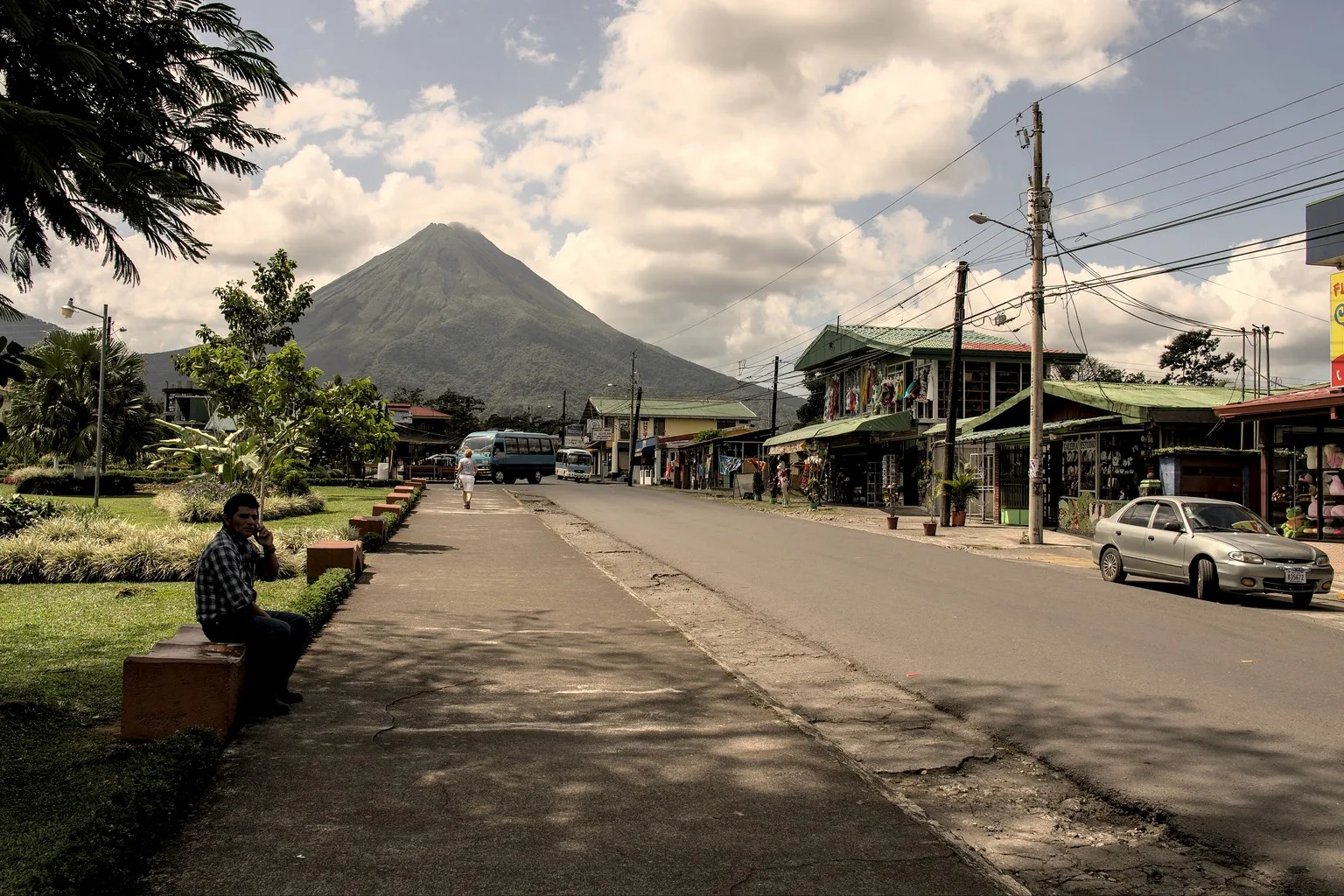
January can feel hot on the coast, but Costa Rica is not one temperature. In La Fortuna, mornings often start warm and humid, then the Arenal area settles into comfortable evenings around town. In Monteverde, jackets are normal after sunset.

For planning, think in layers rather than a single forecast. A January itinerary can easily move from 32°C beach afternoons to 16°C mountain evenings, which is roughly 90°F to 61°F.

What January usually feels like by region

  • Pacific beaches: warm, sunny, and dry; expect strong UV and heat on open sand.

  • La Fortuna and Arenal: warm days, occasional light showers, muggy humidity, comfortable nights.

  • Monteverde: cool mornings, breezy ridges, sweater weather after dark.

  • Caribbean coast: mixed skies, higher humidity, and a better chance of rain than the Pacific side.

For volcano-and-hot-springs weather, January is one of the cleanest months to visit La Fortuna, especially if you want easy driving and long daylight for waterfalls, hanging bridges, and dinner in town.

Myth: January travel is cheap if you avoid Christmas week

This is where travelers get surprised. January splits into two very different pricing windows. The first stretch, especially December 20 through around January 5, is peak holiday pricing. After that, rates often soften a bit, but January remains a high-demand month overall.

For a midrange traveler as of August 2026, we usually see these rough patterns:

  • Budget hotels/hostels: about $60–$140 per night in high-demand beach towns, less inland.

  • Midrange hotels: often $140–$280 per night near popular beaches and national-park bases.

  • Upper-mid and boutique stays: commonly $280–$500+ per night in the best January locations.

  • Rental cars: budget for $45–$120 per day before insurance and extras, with holiday spikes possible.

Prices vary a lot by town. Tamarindo and Manuel Antonio typically price higher than inland bases like Santa Elena or Arenal area towns, and exact dates matter more than almost anything else.

Where January money goes fastest

  1. Beachfront rooms in Guanacaste and the Nicoya Peninsula.

  2. Private transfers on the busiest holiday dates.

  3. 4x4 rentals for self-drive itineraries and remote roads.

  4. Popular tours like rafting, wildlife boat trips, and ziplining.

If you’re road-tripping, compare availability early through car rentals rather than waiting until you land. January is the month when last-minute “I’ll sort it at the airport” plans can cost real money.

Myth: You can just show up and figure it out

You can in low season. January is not low season.

On our last January run through the northern Pacific and central valley, the most reliable travelers were the ones who had their first two nights, rental car, and one or two anchor activities locked in before arrival. Everyone else spent time refreshing hotel apps and paying more than necessary.

What to book first

  • New Year’s week lodging if your trip overlaps late December or early January.

  • Rental car or private shuttle if you’re moving between regions.

  • One key rain-or-shine activity like rafting, wildlife, or hot springs.

  • Beach hotels in places like Tamarindo, Nosara, or Manuel Antonio.

If you want a trip built around water and rainforest, January is also a strong month for rafting tours, especially on classic rivers where flow is still lively and logistics are straightforward.


January by region: where to go and what to expect

Costa Rica rewards travelers who think geographically. January weather is not a single national pattern; it is a patchwork of microclimates, elevation, and wind exposure.

Guanacaste and the North Pacific

This is the month many people imagine when they think of Costa Rica beach weather. Tamarindo, Playa Flamingo, and Playas del Coco often get long sunny stretches, and roads are usually easier than during the green season.

Expect:

  • Dry roads and dusty shoulders

  • Busy restaurants and beach clubs

  • Strong sun between 10am and 3pm

  • Higher demand for surf lessons and boat trips

If you want a beach-heavy January, Guanacaste is the most dependable region. For a softer pace, we often steer travelers toward smaller bases near Nosara rather than the loudest strips of Tamarindo.

Arenal and La Fortuna

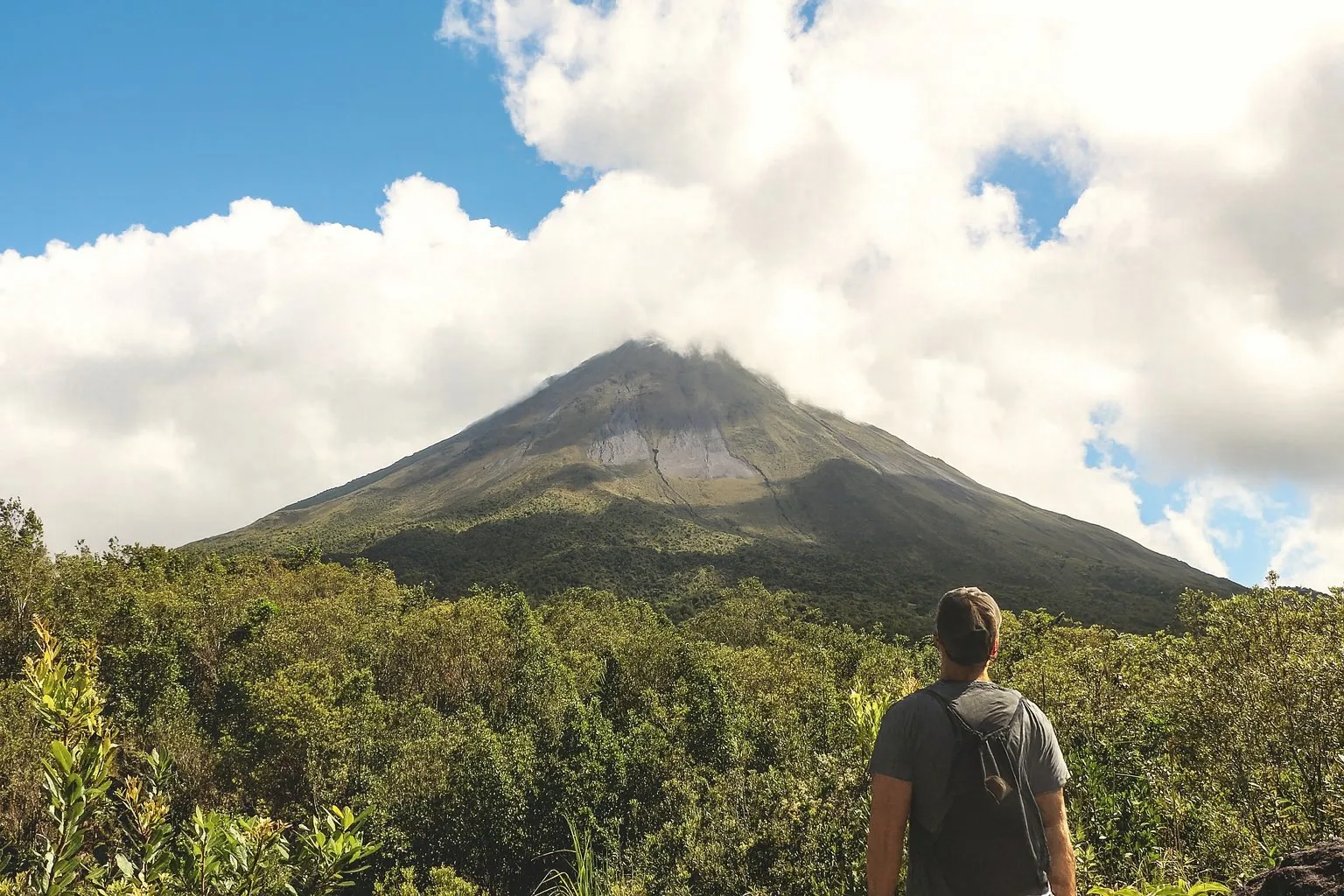
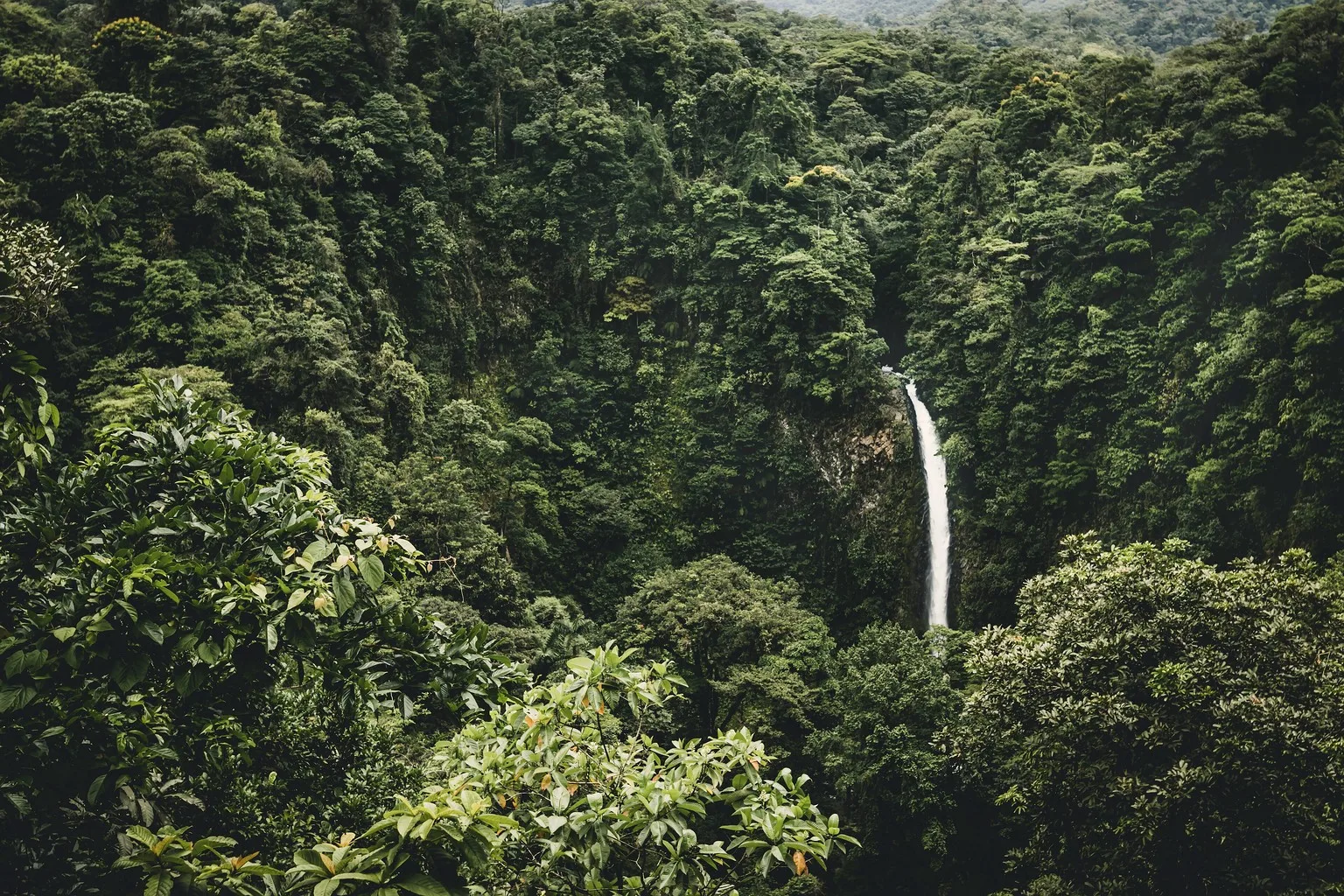
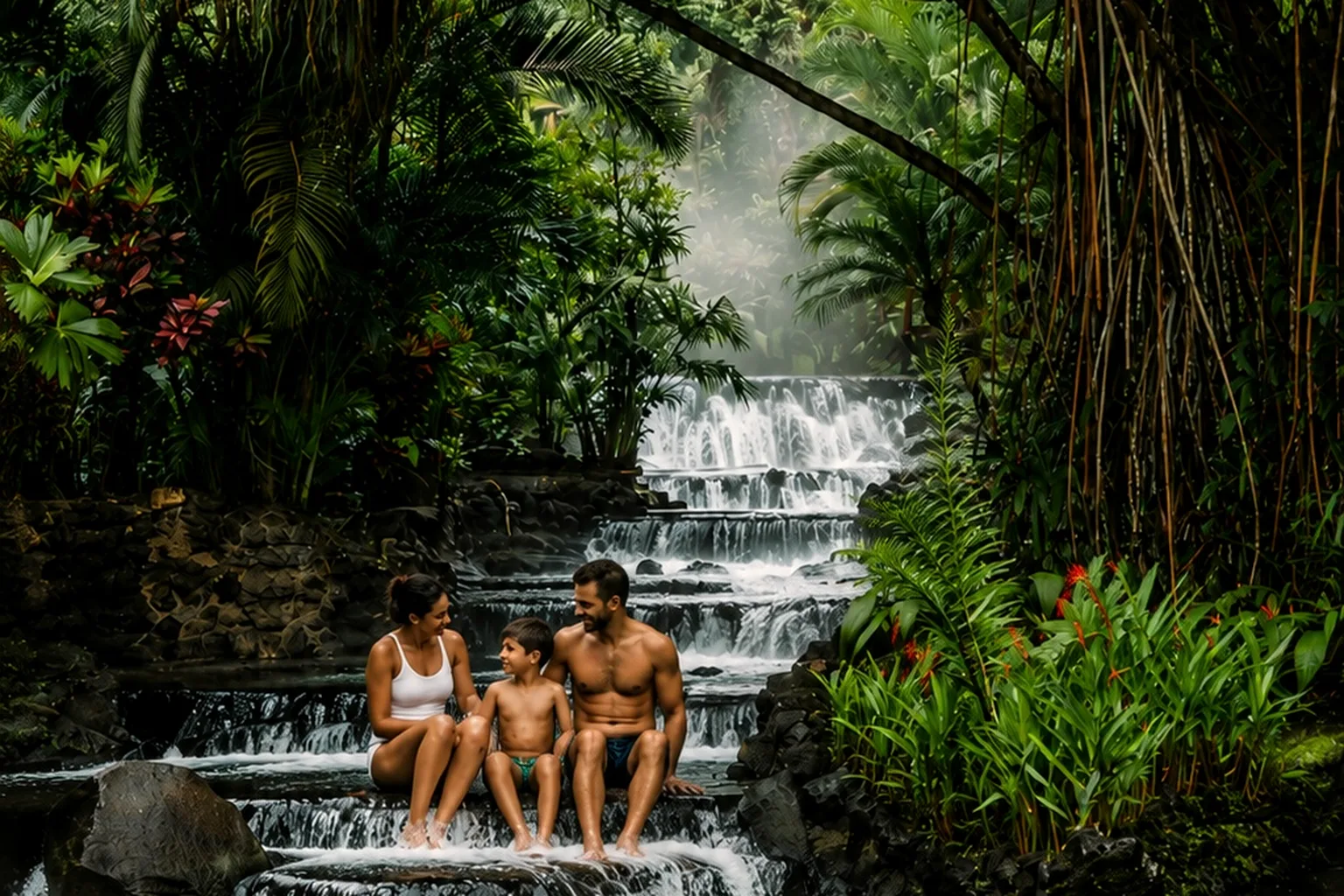
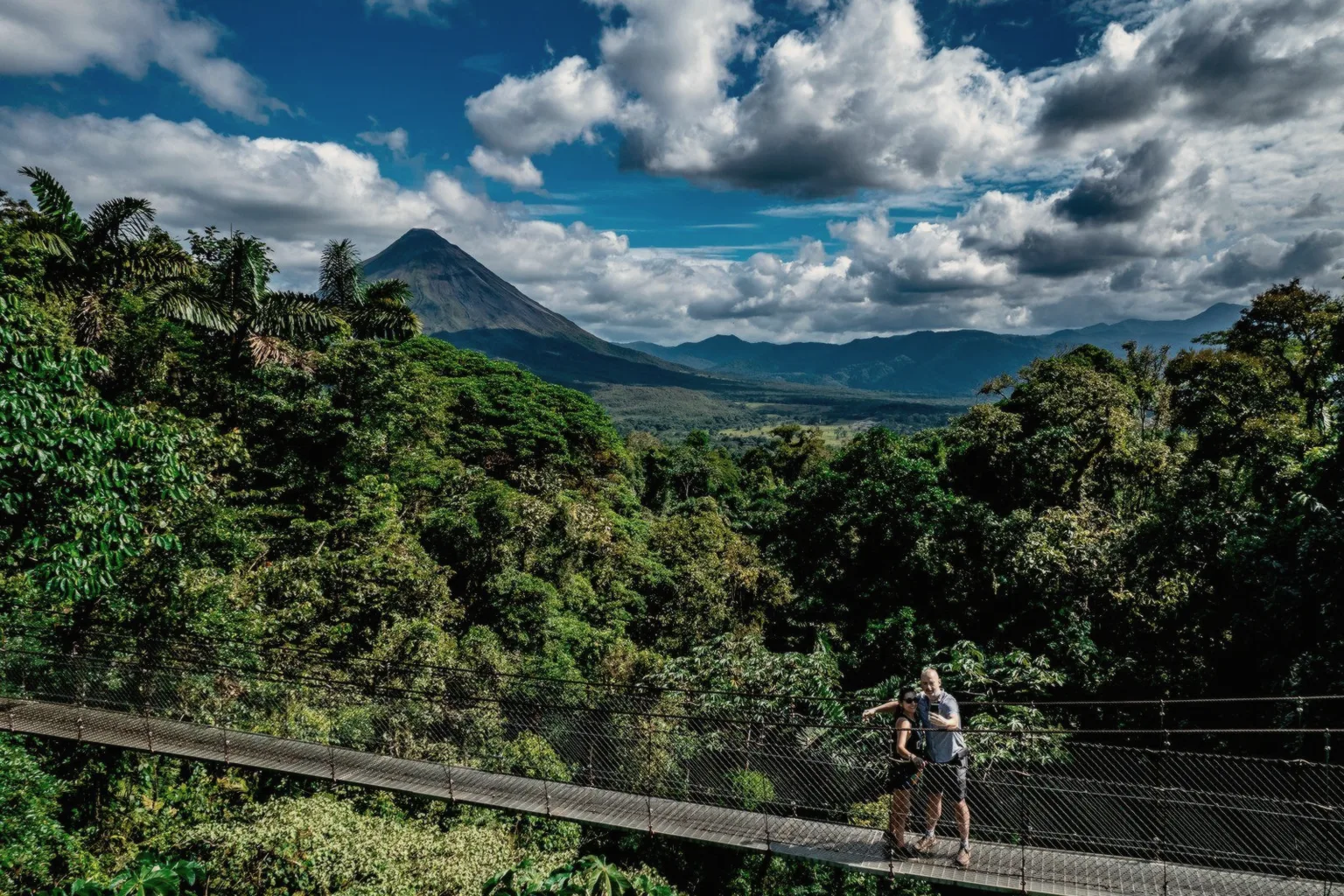
January is a smart month for hot springs, waterfalls, and volcano scenery around La Fortuna. The weather is usually good enough for early hikes, canyoning, and hanging bridges, though cloud cover can still roll in without warning.

This area works well if you want a high-activity trip with a backup plan. Even if Arenal Volcano hides behind cloud for part of the day, you still have hot springs, river adventures, and reliable town infrastructure.

Monteverde and the cloud forest

Monteverde in January is cooler, breezier, and often more comfortable than people expect. It is not a beach-month destination; it is a jacket-and-hiking-shoes destination.

The trails can be excellent in January, but do not be shocked by mist or strong wind. That is part of the experience, and it is why the cloud forest feels different from the lowlands.

Manuel Antonio and the Central Pacific

Manuel Antonio usually gives you a good mix in January: decent beach weather, wildlife viewing, and manageable driving from the Central Valley. The park area gets busy, though, so early starts pay off.

It is one of the easiest January picks for first-timers who want monkeys, beaches, and a comfortable hotel base. If you’re choosing between beach + wildlife combinations, Manuel Antonio is often more forgiving than trying to pack too much into one Pacific coast stop.

Roads, driving, and getting around

January is one of the best months for self-driving in Costa Rica because road conditions are generally friendlier than in peak rains. That said, mountain roads, beach access roads, and construction zones still deserve attention.

If your route includes remote beaches, steep hotel entrances, or early-morning transfers, a 4x4 or high-clearance SUV can make the trip less stressful. For a simple run on major highways and paved tourist corridors, a standard SUV can be enough, but check your exact hotel access before you commit.

Typical drive times in January

  • San José to La Fortuna: about 3 to 4 hours under normal conditions.

  • San José to Manuel Antonio: about 2.5 to 3.5 hours.

  • San José to Tamarindo: about 4.5 to 6 hours depending on traffic and roadworks.

  • La Fortuna to Monteverde: roughly 3 to 4.5 hours, with slower dirt stretches in places.

Those numbers can shift with holiday traffic, rain on mountain roads, or construction near the Central Valley. If you are routing a self-drive trip, it is smart to reserve early and use a trusted car rentals option with clear insurance terms.

Local tip: In January, leave earlier than Google Maps suggests. A 7am departure can save you an hour of traffic, and you’ll usually get better light for the drive and the photos.

What to pack for Costa Rica in January

Packing for January is about sun protection, light layers, and one backup rain shell for higher-elevation stops. Do not overpack heavy clothing; the coast is hot, and you’ll regret a suitcase full of jeans.

Smart January packing list

  • Lightweight shirts and quick-dry shorts

  • Swimsuit plus a second one if beaches are central to the trip

  • Sandals and closed-toe walking shoes

  • Light rain jacket or compact shell

  • Hat, reef-safe sunscreen, and sunglasses

  • Bug repellent for forests, rivers, and dusk hours

  • A thin layer for Monteverde or cool Arenal nights

  • Dry bag or phone pouch for boat trips and rafting

If you are planning waterfalls, rafting, or humid hikes, quick-dry gear matters more than fashion. We’ve watched travelers in cotton tees spend the whole day damp and uncomfortable.

The best January trip styles

January is flexible, but some trip styles just work better than others. The month rewards travelers who want action early in the day and a beach or hot-springs finish.

Best for beach lovers

Choose Guanacaste, Nicoya, or the Central Pacific. You’ll get the highest odds of sun, the cleanest beach days, and the easiest logistics for swimming, boat trips, and sunset dinners.

Best for families

January is a strong family month because road conditions are simpler and wildlife tours are easier to schedule. Towns like La Fortuna and Manuel Antonio balance activity with enough restaurants and family-friendly hotels.

Best for adventure travelers

If your trip needs rafting, canopy, waterfalls, and volcano days, January is one of the best times to combine everything without wet-season disruption. A route with adventure tours and waterfalls tours fits the month well.

Best for wildlife

Early mornings are excellent in January. Birds, monkeys, sloths, and river activity are easier to time when trails are dry and access roads are less muddy.

Myths travelers bring home from a January trip

A lot of January mistakes come from overgeneralizing. Costa Rica is small, but its climate is not simple.

Three assumptions to drop fast

  1. “It rains nowhere in January.” Not true. The Caribbean slope and highlands can still be wet.

  2. “Beach towns are all the same.” Not true. Guanacaste, Nicoya, and Manuel Antonio each have different wind, surf, and crowd patterns.

  3. “January is always too expensive.” Not true. It is expensive around the holidays, but smart routing and early booking can still keep costs reasonable.

If you choose the right region and travel window, January can be one of the easiest months to execute a smooth Costa Rica itinerary.


Bottom line for planning January right

Costa Rica in January is dry-season travel done at full speed: sunny Pacific beaches, active adventure days, and a real premium on early booking. The best version of the month comes from matching your route to the weather map, not from assuming the whole country behaves the same.

If you want the simplest January strategy, aim for Guanacaste or Manuel Antonio, mix in one inland base like La Fortuna, and reserve transport early. That combination gives you the best odds of sunshine, wildlife, and a trip that feels worth the peak-season price.

Ready to plan

Let's build your Costa Rica trip.

Browse locally-vetted tours and rental cars — or tell us what you're dreaming up and we'll help shape it.

FAQ

Common questions

Is January a good time to visit Costa Rica?+

Yes. January is one of the best months for dry-season weather on the Pacific side, strong beach conditions, and easier road travel. The main downside is higher prices and more crowds, especially around New Year’s.

Does it rain in Costa Rica in January?+

Usually less than in the green season, but yes, it can still rain in some regions. The Caribbean coast and mountain areas can get showers even when the Pacific side is sunny.

How hot is Costa Rica in January?+

Coastal areas are typically hot and sunny, often in the high 20s to low 30s Celsius. Mountain towns like Monteverde are much cooler, especially at night.

Is January expensive in Costa Rica?+

It can be. Holiday dates around late December and early January are the most expensive, and January remains high-demand overall. Hotels, cars, and transfers usually cost more than in shoulder season.

What should I wear in Costa Rica in January?+

Light, quick-dry clothing, good sandals or walking shoes, sun protection, and a light jacket for mountains or air-conditioned transfers. If you visit Monteverde, bring a warmer layer.

Is January good for beaches in Costa Rica?+

Yes, especially on the Pacific side. Guanacaste, Nicoya, and parts of the Central Pacific usually have excellent beach weather in January.

Do I need a rental car in January?+

Not always, but it helps if you want flexibility, multiple regions, or off-the-beaten-path beaches. Book early if you plan to drive, since January demand is strong.