
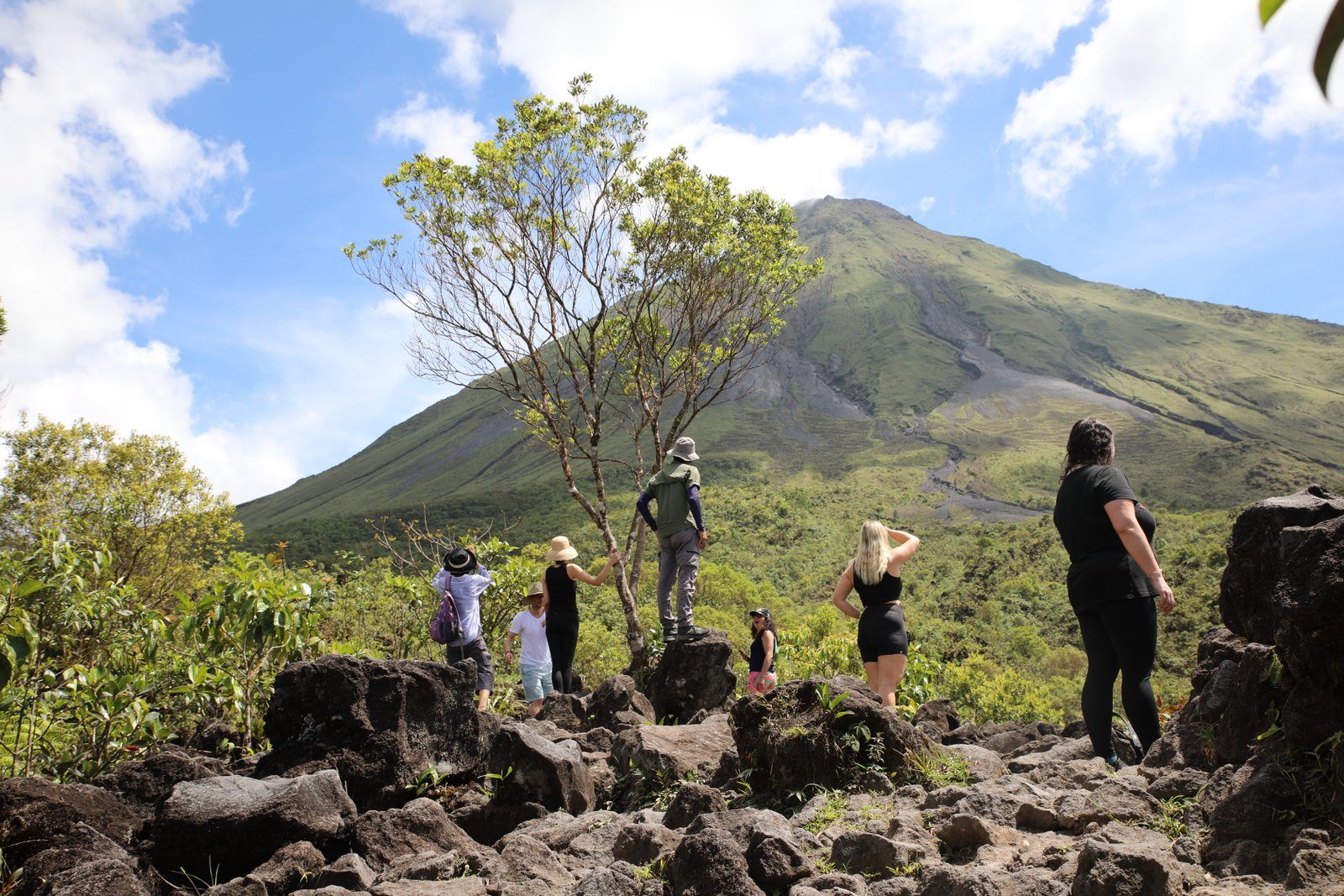
Costa Rica in September is a budget-friendly, rain-heavy month that can still work very well if you plan for morning outings and choose the right region. Expect lower crowds, greener landscapes, and frequent afternoon downpours on the Pacific side, while the Caribbean coast often gets more sun breaks.
Who this is for: travelers who want lower prices, fewer crowds, and don’t mind planning around rain. Who it isn’t for: anyone chasing guaranteed beach weather every day, trying to pack in six destinations in ten days, or expecting a dry-season-style road trip.
Is September a good time to visit Costa Rica?
Yes, Costa Rica in September can be a very good trip if you go in with the right expectations. It is one of the wettest months on the Pacific side, but it also brings lower hotel rates, easier availability, and a much calmer feel in popular places.
On our last rainy-season visits, we’ve watched travelers have excellent trips simply by shifting plans earlier in the day and keeping one backup activity ready. If you want sun every afternoon, this is not your month. If you want value and flexibility, it can be a smart one.
The short answer by traveler type
-
Best for budget travelers: yes, because rates often soften from May through November.
-
Best for photographers: yes, because the forest is intensely green and waterfalls run strong.
-
Best for beach-first trips: only if you target the Caribbean coast or accept weather risk.
-
Best for packed multi-stop itineraries: usually no, because rain and slower roads punish overplanning.
What is the weather really like in September?
September sits in the middle of the rainy season for most of the country. That usually means dry or partly dry mornings, then clouds, showers, and sometimes heavy rain by mid-afternoon. Some regions get multi-day wet spells; others still have usable windows for outdoor plans.
If you’re checking averages, think in terms of weather patterns, not guarantees. In the Pacific lowlands, rain can arrive early and hard. In the Central Valley and mountain zones, it often cools things down at night. The Caribbean side behaves differently and can have drier stretches when the rest of the country is getting soaked.
Regional breakdown for September
-
Pacific coast: wettest feel overall, especially from Guanacaste down through Manuel Antonio and Uvita.
-
Central Valley / San José: cool mornings, afternoon rain, roads can be slick but manageable.
-
Arenal / La Fortuna: frequent showers, lush scenery, and good hot springs weather.
-
Monteverde: misty, cool, and muddy; good for cloud forest lovers.
-
Caribbean coast: often the best chance for sunshine, especially around Puerto Viejo and Cahuita.
Where should you go in September?
If you want the highest odds of good weather, the Caribbean coast is usually the safest bet. If you want a classic inland rainforest-and-volcano trip, La Fortuna still works well because rain is part of the experience there anyway.
For first-time visitors, we usually steer September trips toward one of three shapes: coast-focused, rainforest-focused, or a split between San José and one nature base. The more you move, the more rain becomes a transportation problem instead of just an atmosphere problem.
Best September bases
-
Puerto Viejo and Cahuita for beach time, Caribbean food, and a better shot at sun.
-
La Fortuna for hot springs, waterfall views, and easy day tours like La Fortuna tours.
-
Monteverde for cloud forest walks if you don’t mind mud and cooler weather.
-
Uvita if you want a quieter Pacific coast base and can stay flexible.
-
San José only as an entry/exit point, not a long stay unless your trip is very short.
Places that can still be worth it
-
Manuel Antonio if you accept rain and book flexible plans.
-
Tamarindo if your goal is a relaxed surf town, not perfect beach days.
-
Rincón de la Vieja if you want volcanic activity and fewer crowds.
Local tip: In September, I’d rather do one base with 2–3 good day plans than drive across the country chasing “perfect weather.” You lose less time, spend less on gas, and you’re not constantly racing afternoon storms.
How do September prices compare?
September is usually a good month for savings. Hotels often discount compared with Christmas, Easter, and mid-dry-season weeks. Some tours also run at better value because demand is softer, especially midweek.
Typical budget ranges we see in 2026:
-
Budget guesthouses or basic hotels: about $50–$110 per night
-
Mid-range hotels: about $120–$220 per night
-
Boutique or premium stays: about $250–$500+ per night
-
Shared shuttle airport transfers: about $55–$90 per person depending on route
-
Private transfers: about $120–$280+ depending on distance and vehicle size
Meals also stay reasonable if you use sodas, the local no-frills restaurants:
-
Casado or plate lunch: $6–$12
-
Coffee and pastry: $4–$8
-
Casual sit-down dinner: $12–$25
-
Tourist-zone cocktails or imported wine: usually more
If you’re comparing destinations, September can be one of the most cost-efficient months to visit Costa Rica without sacrificing comfort. You just trade price savings for weather risk.
How should you plan your itinerary?
The biggest September mistake is trying to copy a dry-season itinerary. That usually means too many hotel changes, too much driving, and too many activities scheduled for afternoons when the sky often opens up.
A better plan is to build your trip around early starts and shorter transfers. Keep hiking, hanging bridges, boat rides, and wildlife walks in the morning. Put hot springs, cooking classes, coffee tastings, and scenic drives in the afternoon when showers are more likely.
A practical 7-day September structure
-
Days 1–2: San José arrival, then transfer to La Fortuna or Monteverde
-
Days 3–4: Nature base with morning tours and a flexible rain backup
-
Days 5–7: Caribbean coast if you want the best weather odds, or stay put and do day trips
Driving times to keep in mind
-
San José to La Fortuna: about 3 to 3.5 hours / 160–180 km / 100–112 miles
-
San José to Manuel Antonio: about 2.5 to 3.5 hours / 160–170 km / 100–106 miles
-
San José to Puerto Viejo: about 4.5 to 5.5 hours / 220–230 km / 137–143 miles
-
La Fortuna to Monteverde: about 3.5 to 4.5 hours / 110–120 km / 68–75 miles
-
La Fortuna to Tamarindo: about 4 to 5 hours / 200–220 km / 124–137 miles
Rain can add real delays, especially on mountain roads and during landslides. In September, those drive times are not just numbers; they are your buffer.
Tour choices that make sense in wet weather
Some activities are more forgiving than a beach day. In La Fortuna, indoor-outdoor experiences and forest-based tours can still work well on mixed-weather days. We’d look at options like Arenal volcano and hot river days or a shorter night walk when storms make daytime hiking less appealing.
For travelers who want a bigger nature day, Mistico Hanging Bridges is a strong fit in the green season because the forest is active and the trails are usually manageable if you wear proper shoes.
What should you pack for September?
Pack for heat, humidity, and repeated rain. The mistake is bringing only beach clothes and one light jacket. You want clothing that dries quickly and shoes that won’t become useless after one storm.
September packing list
-
Light rain jacket or poncho
-
Quick-dry shirts and shorts
-
One pair of closed-toe walking shoes with grip
-
Sandals you don’t mind getting wet
-
Small dry bag or zip pouches for phones and passports
-
Insect repellent
-
Compact umbrella if you do city time
-
Swimwear for hot springs and pools
If you’re heading to the Caribbean coast, also pack for humidity that can feel heavier than the Pacific side. Clothes that dry fast matter more than clothes that look good in photos.
What not to bring too much of
-
Heavy jeans
-
Multiple fashion shoes
-
Thick jackets for most routes
-
Paper-only documents without backups
Which activities are still worth booking?
September is not a bad month for activities; it just rewards flexibility. Many operators continue running as long as conditions are safe, and some travelers actually prefer this season because the rainforest feels fuller and wildlife can be easier to spot.
If your trip centers on La Fortuna, you can still build a strong activity mix. A good balance is one physical morning, one wildlife or forest outing, and one weather-proof afternoon plan.
Activities that tend to work well in September
-
Hot springs and thermal river visits
-
Hanging bridges in forest zones
-
Wildlife walks and sloth-focused tours
-
Coffee, chocolate, and cooking experiences
-
Waterfalls when trail conditions are safe
A couple of our bookable picks that fit September well are the Sloths + Coffee, Chocolate & Sugar Cane Combo and the Arenal Volcano Hike - Morning. They work because they lean into the season instead of fighting it.
When to book in advance
-
Book hotels 2–6 weeks ahead if you want a specific area or room type.
-
Book popular tours 3–10 days ahead if your dates are fixed.
-
Book private transfers earlier if you land late or travel with kids.
What are the biggest September mistakes?
The worst mistake is assuming every day will be a washout and overcorrecting with too much downtime. The second worst is assuming rain only happens “sometimes” and packing like it’s dry season.
A better approach is to expect disruption but not cancellation. We’ve watched plenty of travelers get good trips in September by keeping mornings open, choosing one or two bases, and not overcommitting to long scenic drives.
Common mistakes to avoid
-
Booking too many one-night stays
-
Scheduling beaches in the late afternoon
-
Ignoring Caribbean coast weather patterns
-
Relying on one single “perfect weather” day
-
Skipping travel insurance or flexible change policies
So, should you go to Costa Rica in September?
If you want cheaper prices, fewer crowds, and a greener landscape, yes, September can be a smart month. If your top priority is reliable sunshine on the Pacific coast, then it is the wrong season.
Our practical take: choose the right region, keep your schedule loose, and make morning plans your priority. If you do that, Costa Rica in September can be one of the best-value trips of the year.
Let's build your Costa Rica trip.
Browse locally-vetted tours, or tell us what you're dreaming up and we'll help shape it.
Common questions
Is September a bad time to visit Costa Rica?+
Not necessarily. September is rainy on the Pacific side, but it can be a strong budget month with fewer crowds and very good conditions on the Caribbean coast.
Does it rain all day in Costa Rica in September?+
Usually not. Many places get dry or drier mornings and rain later in the day, but some areas can still have full-day showers or stormy stretches.
What part of Costa Rica has the best weather in September?+
The Caribbean coast often has the best odds of sun in September, including Puerto Viejo, Cahuita, and nearby areas.
Is La Fortuna worth visiting in September?+
Yes. La Fortuna works well in September if you plan for rain and focus on hot springs, waterfalls, forest walks, and morning activities.
Are prices lower in Costa Rica in September?+
Often yes. Hotels, some transfers, and some tours may cost less than in peak season, especially compared with December through April.
Can you go to Manuel Antonio in September?+
Yes, but expect a wetter Pacific coast trip. It can still be enjoyable if you stay flexible and don’t depend on perfect beach weather.
What should I pack for Costa Rica in September?+
Bring a light rain jacket, quick-dry clothes, closed-toe shoes with grip, sandals, insect repellent, and a dry bag or waterproof pouch.