
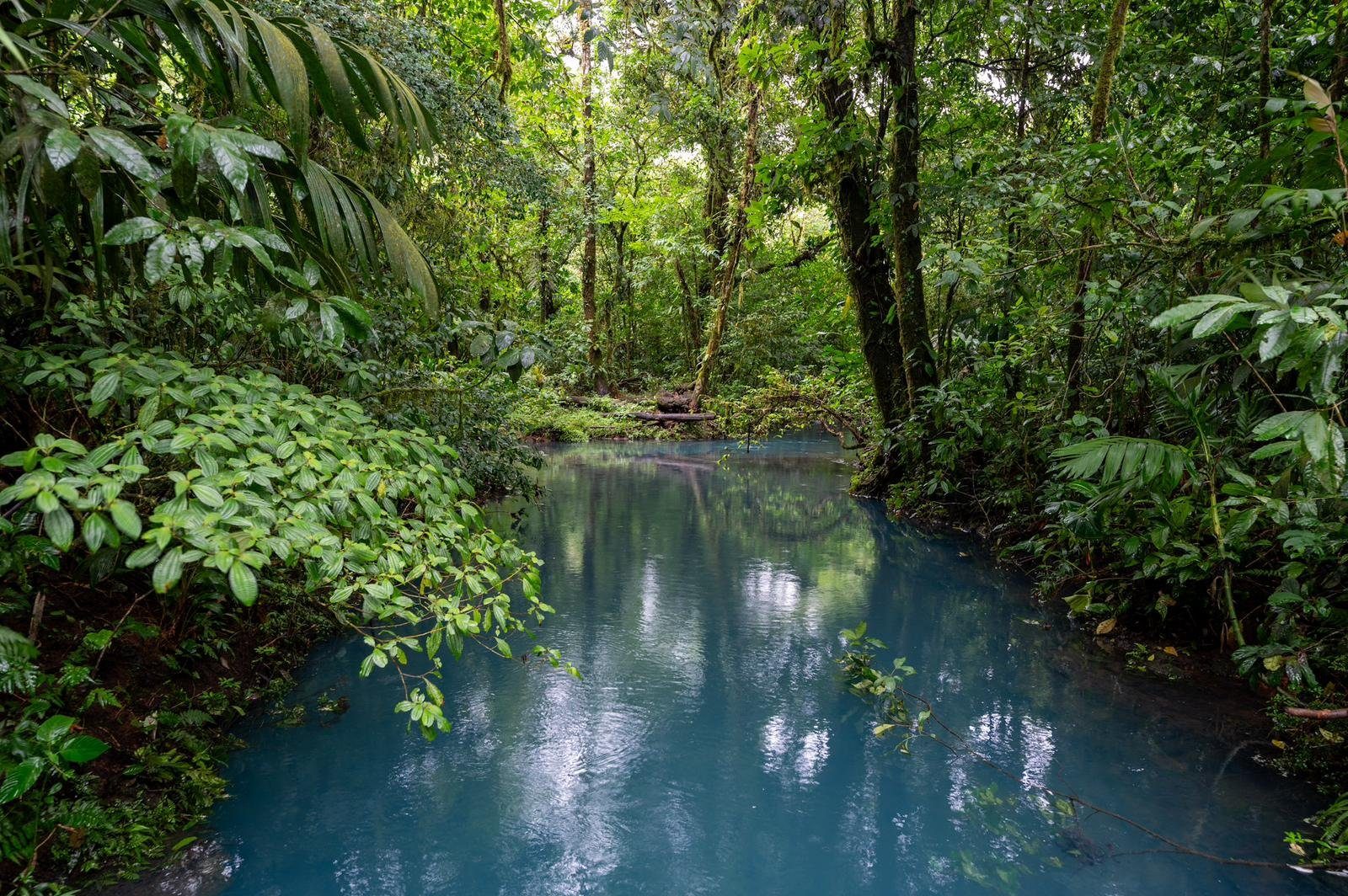
The best places to see sloths in Costa Rica are lowland rainforest and humid coastal zones: La Fortuna/Arenal, Manuel Antonio, Cahuita, Sarapiquí, and the Puerto Viejo–Talamanca Caribbean belt. For the highest odds, book a guided wildlife walk or sloth-specific tour, go early, and focus on trees with cecropia, guarumo, and shade along quiet roads and park edges.
A three-toed sloth was hanging like a shaggy green-brown ornament above a roadside ditch near La Fortuna, while a second one slept curled in a cecropia tree just a few minutes away. That’s the thing about sloths in Costa Rica: once you’re in the right habitat, they’re not rare at all. The trick is knowing where that habitat starts.
Where to see sloths in Costa Rica without wasting a day
If your goal is a real sighting, the short answer is lowland rainforest and moist coastal forest. The best bets are La Fortuna, Manuel Antonio, Cahuita, Sarapiquí, and the Caribbean side around Puerto Viejo and the Talamanca corridor.
We’ve watched travelers spend half a day scanning dry pastureland and see nothing, then spot two sloths in twenty minutes once they reached the right greenery. That pattern repeats constantly. Sloths need food trees, cover, and a calmer canopy; they do not show up evenly across the country.
The best strategy is simple:
-
Pick a destination with known sloth habitat
-
Book a guided walk or wildlife-focused tour
-
Go at dawn or late afternoon
-
Look for cecropia, guarumo, inga, and other leafy roadside trees
-
Slow down on forest edges, not just deep jungle
If you are building a wildlife-heavy itinerary, sloth-focused tours in Costa Rica are a smarter use of time than hoping for luck alone.
Is La Fortuna one of the best places to see sloths?
Yes. For many first-time visitors, La Fortuna is the easiest place to see sloths in Costa Rica because the mix of rainforest, farm edges, and secondary growth creates ideal habitat. On our last visit in November 2026, we saw sloths both on guided walks and from roadside pullouts within a short drive of town.
La Fortuna is especially strong because you can pair wildlife with a full day of activities. It also has lots of tour options that pass through sloth-friendly forest corridors, which raises your odds compared with wandering on your own.
A few good wildlife-style options include:
-
Sloth Watching Tour — from $58, about 1.5 hours
-
Canopy + Sloth Tour — from $102, about 4 hours
-
Sloths + Coffee, Chocolate & Sugar Cane Combo — from $97, about 3 hours
What kind of sloths will you see in La Fortuna?
Mostly three-toed sloths, with occasional two-toed sloths in the broader Arenal region. Three-toed sloths are easier to spot because they often sit exposed in forked branches and feed slowly in daylight.
Best spotting areas are usually within a 10–20 km / 6–12 mile radius of town, especially near forest edges, river corridors, and mixed canopy around the Arenal Volcano foothills. If you’re staying at places like Arenal Manoa, Los Lagos, or other rainforest lodges, you may even see them from the property grounds.
Can you really see sloths in Manuel Antonio?
Absolutely, and for coastal travelers it’s one of the most dependable places. Manuel Antonio has the kind of humid, leafy habitat sloths like, plus easy trail access and lots of trained guides.
The national park and surrounding private reserves both work. What makes the area strong is not just the park itself, but the nearby forest edges where sloths feed and rest at eye level.
When people ask us where to see sloths in Costa Rica with the least effort, Manuel Antonio is always near the top. It’s a compact area, so you’re not burning hours between sites, and the wildlife density is high enough that a good guide can usually deliver more than just one species.
What about Cahuita, Puerto Viejo, and the Caribbean side?
If you want a calmer, wetter, greener sloth hunt, the Caribbean side is excellent. Cahuita and the Puerto Viejo–Talamanca corridor are especially good for roadside sightings and guided nature walks.
This side of Costa Rica tends to feel more casual and less polished than the Pacific park zones, but the wildlife viewing can be superb. We’ve seen sloths near the road between Cahuita and Puerto Viejo, especially where forest canopy overhangs the shoulder and the trees border pastures or drainage channels.
Expect more rain, more mud, and more insects — but also a real shot at seeing sloths in a quieter setting. If you’re staying on the Caribbean coast for beach time, this is one of the easiest places to add wildlife without a big detour.
Local tip: ask guides to slow down at tree forks and roadside cecropia. Sloths often freeze in the open and look like a clump of moss until you train your eye.
Should you go to Sarapiquí for sloths?
Yes, especially if you like wildlife density and fewer crowds. Sarapiquí sits in a lush lowland zone with rivers, secondary forest, and excellent birding, which also makes it a good sloth area.
The drive from San José is about 2 to 2.5 hours / 125–145 km / 78–90 miles, depending on traffic and where exactly you’re headed. That makes it practical as a stopover on the way to the Caribbean slope or Arenal.
Sarapiquí is a strong choice if you want a more natural, less touristic feel. It’s not always the first place people think of for sloths, which is exactly why it works: the habitat is there, and the trails are often quieter.
Good signs you’re in sloth country
Watch for these conditions:
-
Dense green canopy with gaps for sun patches
-
Cecropia and other broadleaf food trees
-
Slow-moving forest roads with little traffic
-
Moist lowland air, not dry hillside scrub
-
River corridors and secondary growth near farms
How much do sloth tours cost in Costa Rica?
For 2026 pricing, sloth-focused tours usually run from about $40 to $70 per person for short walks, while combo experiences are often $90 to $140 per person depending on transport, extras, and duration.
Here’s a practical breakdown:
-
Short guided wildlife walk: $40–$70
-
Sloth-only or sloth-heavy tour: $55–$70
-
Combo day with canopy, coffee, or cultural stops: $90–$140+
-
Private guide: often $120–$250 per group, sometimes more
A guide with a spotting scope can make a huge difference. On a cloudy morning, we’ve watched guests stare into trees and miss a sloth three meters away until the guide pointed out the tiny face and slow, deliberate claw movement.
If you want a broader wildlife day in La Fortuna, things to do in La Fortuna includes several options that combine forest, hanging bridges, and other easy-viewing nature stops.
What is the best time of day to spot sloths?
Early morning is usually the safest bet, especially 6:30 am to 10:00 am. Late afternoon can also work well, roughly 3:00 pm to 5:30 pm, when the light is softer and guides can scan canopy edges more comfortably.
Sloths do not vanish at midday, though. They are slow, energy-efficient animals, so if the forest is right, you can still see them during much of the day. The bigger issue is visibility: midday glare and stronger heat can make them harder to pick out.
A few field notes from our side:
-
After rain, sloths often become easier to see against darker leaves
-
On windy days, guides may need more patience because branches move constantly
-
Sunglasses help, but binoculars help more
-
A zoom lens is useful only if you can hold still in low light
Can you see sloths on your own, or do you need a guide?
You can absolutely see sloths on your own, but a guide greatly improves the odds. Sloths are not hard because they move fast; they’re hard because they blend in.
If you’re self-driving, stay alert on:
-
Forest edges and utility lines crossing trees
-
Roadside cecropia and isolated shade trees
-
Slow scenic roads near wetlands or rivers
-
Trails with a trained wildlife guide at the entrance
-
Private reserves where guides patrol the same habitat daily
If your itinerary already includes wildlife and you want the highest success rate in one morning, guided tours are the better spend. For travelers who want a compact wildlife day with good odds, the Canopy + Sloth Tour is a strong fit because it stacks forest viewing with another active experience.
Which parks and reserves are actually worth it?
Not every famous park is equally good for sloths. Some are better for monkeys, birds, or dramatic scenery. If sloths are your priority, choose habitat first and logo second.
Best areas by region
-
La Fortuna / Arenal: very strong for easy sightings and combo tours
-
Manuel Antonio: excellent for guided spotting and compact access
-
Cahuita: good Caribbean habitat, especially with a guide
-
Sarapiquí: strong lowland forest and quieter trails
-
Puerto Viejo / Talamanca: good roadside and reserve sightings in the right spots
Less reliable unless conditions are right
-
Very dry Pacific areas outside riparian forest
-
Open beaches and town centers
-
High-elevation cloud forest without the right canopy structure
-
Fast-moving drive-by spotting without stopping
If you want a national-park style outing focused on rainforest and wildlife, the Rio Celeste & Tenorio Volcano National Park tour is a different kind of day, but it shows how habitat-specific Costa Rica travel really is: pick the ecosystem that matches your goal.
What should you bring for a sloth-spotting day?
This is not a high-adrenaline hike, but gear matters. The better prepared you are, the easier it is to enjoy the slow search without missing the animal.
Pack this:
-
Lightweight binoculars
-
A phone or camera with 3x–5x zoom
-
Rain jacket or poncho
-
Insect repellent
-
Water bottle
-
Closed-toe shoes with grip
-
Neutral clothing colors
-
Microfiber cloth for lens rain
A simple mistake we see all the time is people bringing huge zoom lenses but no patience. Sloth watching is about scanning carefully, then waiting another 30 seconds after you think the animal has stopped moving. That’s often when the guide finds the face.
So where should you go if you only have one chance?
If you only have one sloth-spotting day in Costa Rica, choose based on the rest of your trip:
-
La Fortuna if you want the easiest all-around option with lots of tour variety
-
Manuel Antonio if you’re already on the Central Pacific and want compact wildlife access
-
Cahuita or Puerto Viejo if you want Caribbean rainforest and a quieter feel
-
Sarapiquí if you want strong habitat and fewer crowds
For most first-time travelers, La Fortuna wins because it balances convenience, tour quality, and odds. For coastal travelers, Manuel Antonio is the backup that often becomes the best day of the trip.
If you want a wildlife-heavy schedule without overthinking the logistics, start with the destination, then add the right guided walk. That’s the cleanest way to turn “we hope to see a sloth” into “we saw two before lunch.”
Let's build your Costa Rica trip.
Browse locally-vetted tours, or tell us what you're dreaming up and we'll help shape it.
Common questions
What is the best place to see sloths in Costa Rica?+
La Fortuna, Manuel Antonio, Cahuita, Sarapiquí, and the Puerto Viejo–Talamanca corridor are among the best places because they have the humid forest and food trees sloths need.
Can you see sloths in Costa Rica without a tour guide?+
Yes, but guides improve your odds a lot. Sloths are easy to miss unless someone knows where to scan and how to spot them in the canopy.
What time of day is best for sloth watching?+
Early morning is usually best, from about 6:30 am to 10:00 am. Late afternoon can also work well, especially in humid rainforest areas.
Are sloths easy to see in Manuel Antonio?+
Yes. Manuel Antonio is one of the most reliable places because the habitat is compact and guides are very experienced at finding wildlife quickly.
How much does a sloth tour cost in Costa Rica?+
Most short sloth or wildlife walks cost about $40 to $70 per person. Combo tours with other activities often run from $90 to $140 or more.
Do you see two-toed or three-toed sloths in Costa Rica?+
You can see both, but three-toed sloths are the ones most travelers notice first because they are often easier to spot in daylight.
Is La Fortuna good for sloths?+
Yes. La Fortuna is one of the easiest and most flexible places to see sloths, especially on guided wildlife walks and combo tours.