
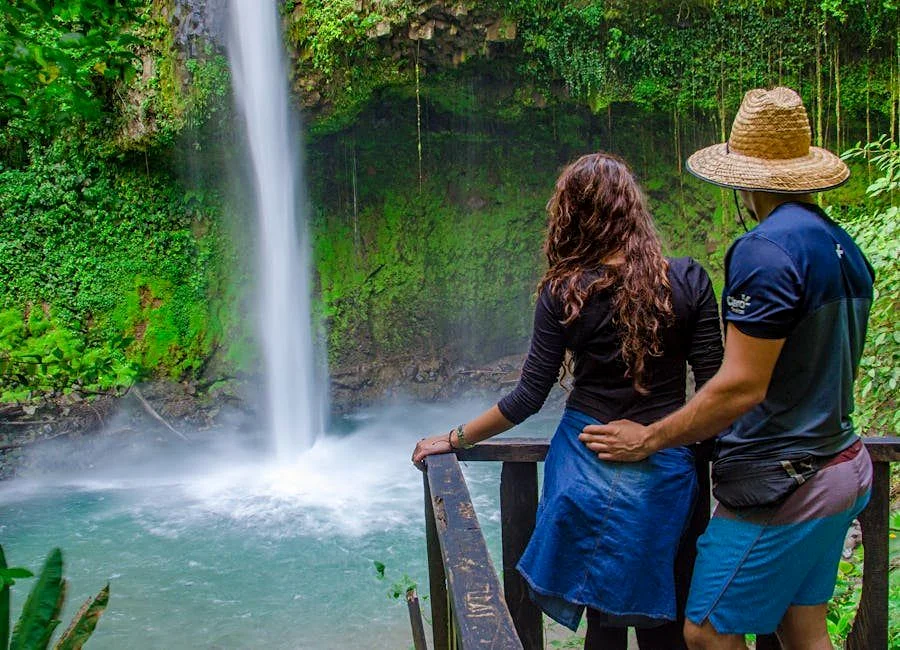

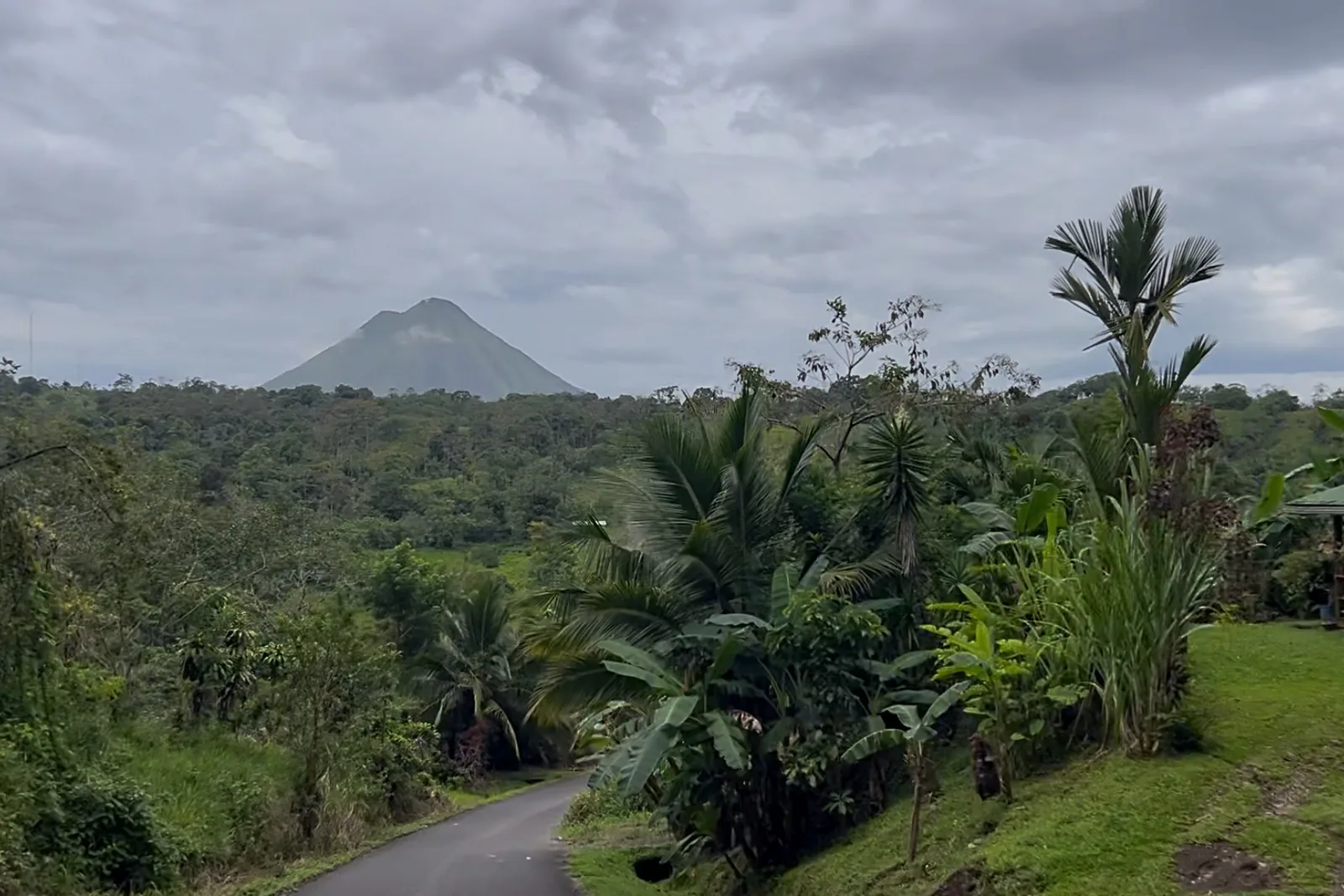
February is La Fortuna on its best behaviour. The rainy months are well behind you, the trails are firm, the rivers run clear and cold, and Arenal Volcano shows its whole cone more often than in almost any other month. The rainforest is still green from the wet season, so you get the lush look without the mud. The catch is that everyone else knows this too. It's peak season, the waterfall stairs have a queue some mornings, and hotels charge accordingly. Plan a little and you'll still get quiet volcano mornings and an empty-ish hot river. Here's what February in La Fortuna is really like, what it costs and what to book first.
La Fortuna weather in February
La Fortuna sits on the Caribbean slope of the mountains, so it's never as bone-dry as the Pacific coast. But February is about as dry as it gets here.
| February in La Fortuna | |
|---|---|
| Days | 27-30°C (81-86°F) |
| Nights | about 20°C (68°F) |
| Rain | short showers, often overnight |
| Volcano | clearest before about 10 AM |
| Sunset | about 5:30 PM, dark by 6:00-6:15 |
A few things that matter on the ground:
- Mornings are the prize. The cone is most often out at sunrise. By late morning, clouds usually start wrapping the summit.
- Afternoons are warm and sunny. That makes it a good time for the waterfall swim or the hot springs.
- Sun protection matters. February sun is strong even when it feels mild. Bring a hat and reef-friendly sunscreen.
If you want zero rain all day, the Pacific side is drier. For volcano views, rainforest and hot springs, February is one of the best months in La Fortuna.
Crowds and costs
February is high season all month. It's at its busiest in the middle of the month, when US Presidents' Day week and Canadian Family Day/reading weeks overlap. Early and late February are a bit calmer, but prices don't really drop.
Rough 2026-27 costs:
- Hotels: budget cabinas and hostels about $40-90/night; mid-range $120-220; resort and boutique stays $250-500+.
- Arenal Volcano National Park: just under US$20 per adult.
- La Fortuna Waterfall: $20 for foreign adults (2026 rate). About 530 steps down, and more effort coming back up.
- Hot springs: the free hot river costs nothing. Resort day passes run roughly $40-100+. Our hot springs guide compares them.
- Rental car: a compact SUV averages about $100/day all-in in high season, once mandatory insurance and taxes are added. Here's what the rental counter adds.
To dodge the crowds, be at the waterfall or the national park at opening. The free hot river gets busy after about 4 PM.
What to do in La Fortuna in February
-
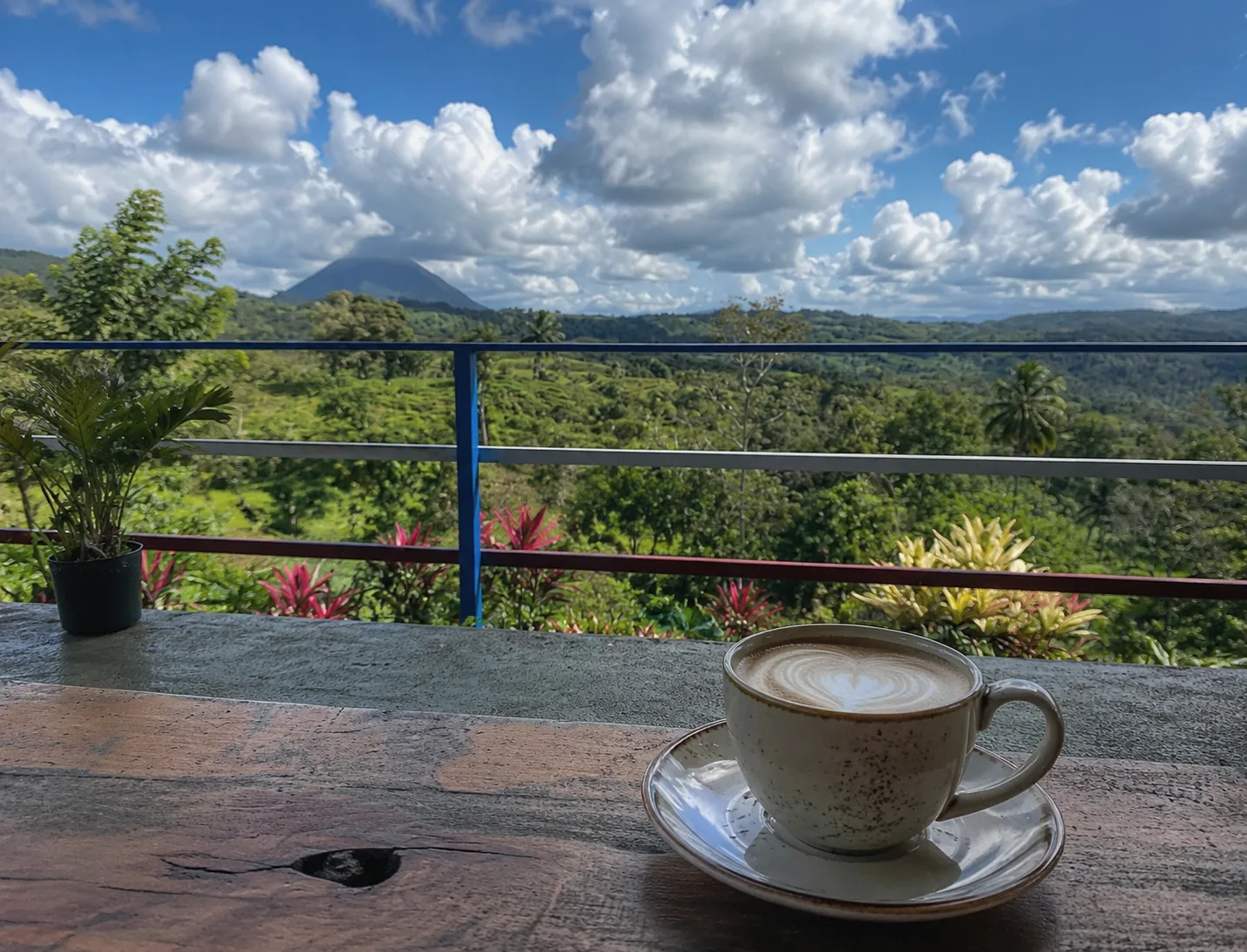
Catch the volcano early. February mornings are made for it. The morning Arenal Volcano hike is timed for the clearest window, and the guide will show you the old lava flows and the wildlife you'd walk past. Going solo? Get to the park gate at opening.
-
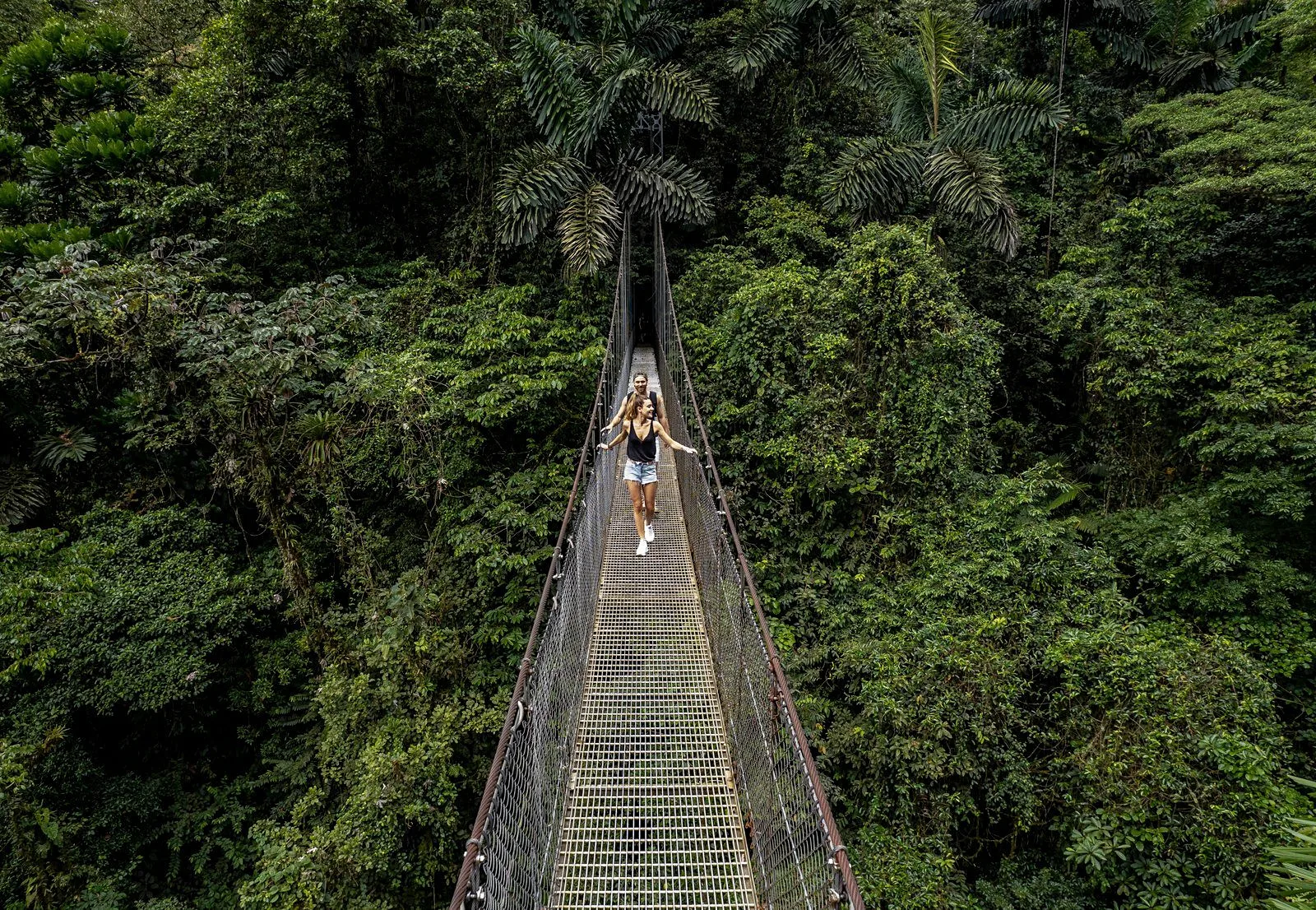
Hanging bridges in dry weather. The trails are firm and the canopy is busy with birds in the morning. Místico hanging bridges is the classic, with views of the volcano from some of the bridges.
-
Waterfall swim in the afternoon. The water is clear and calmer than in the rainy months. It's still cold, which feels great at 2 PM.
-
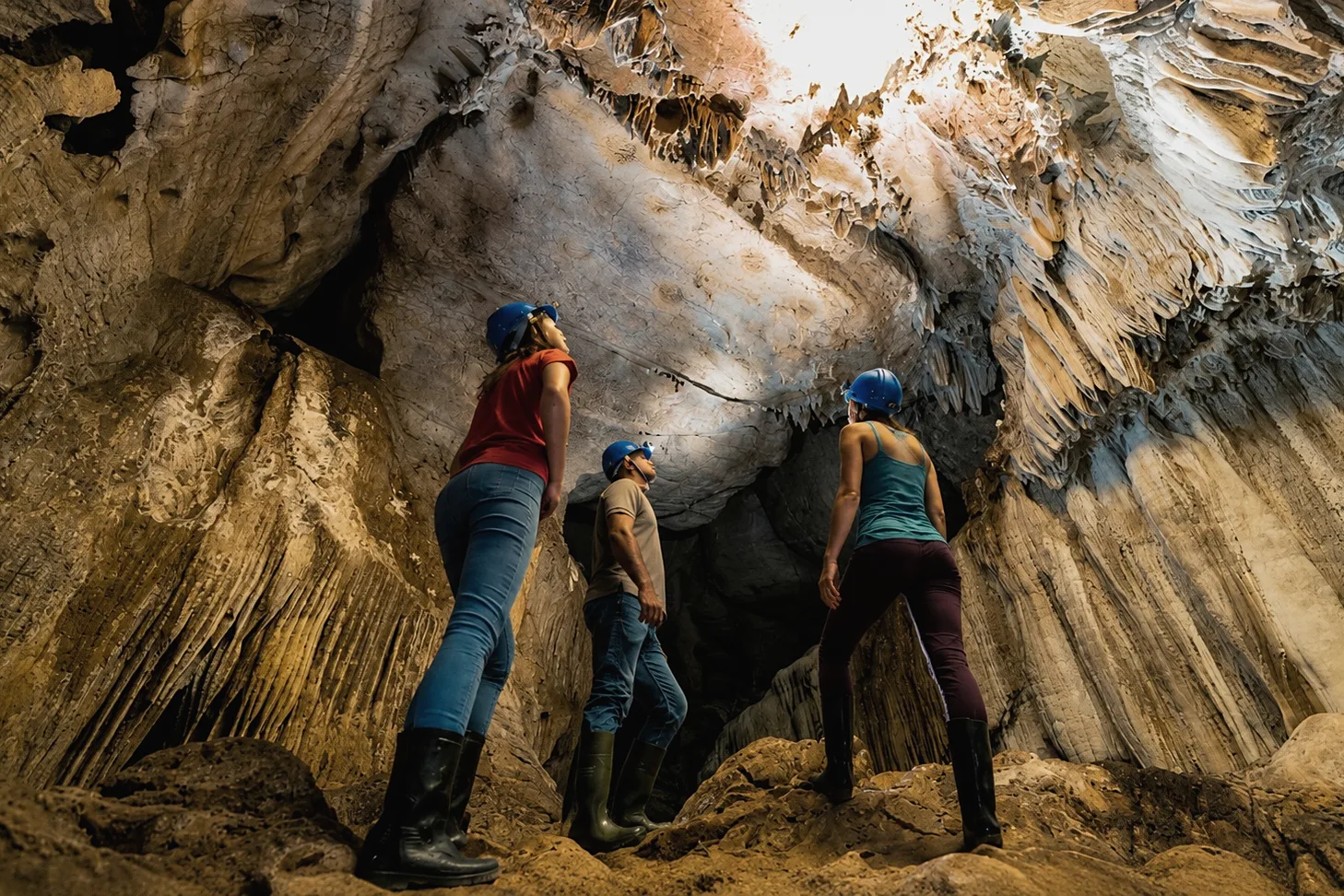
Something different: the Venado Caves. About 45 minutes from town, you crawl and wade through limestone caves with a guide. It's a fun change of pace when the trails feel busy. See the Venado Caves tour.
-
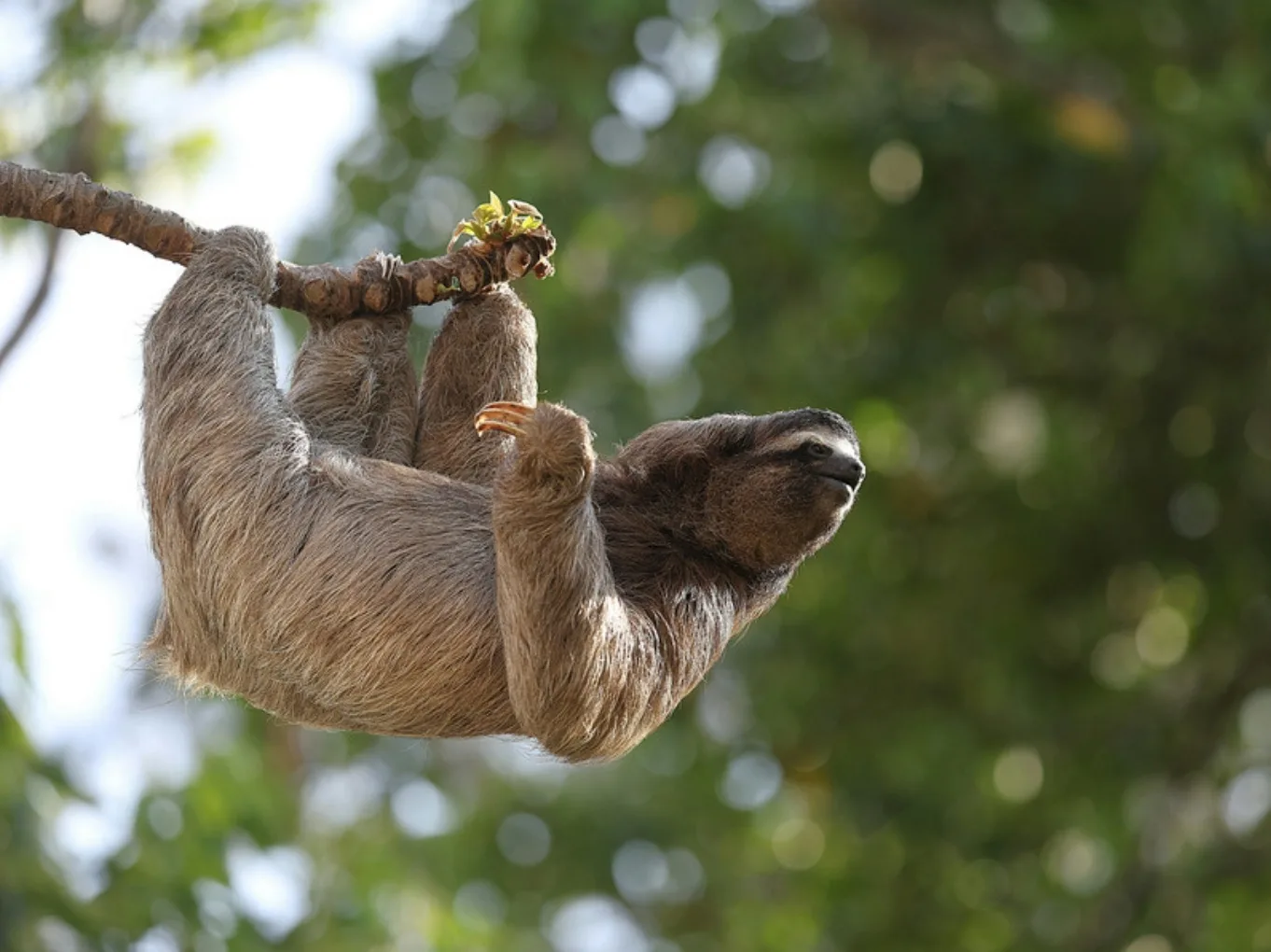
A night walk before dinner. It's dark by about 6:15 PM, so a twilight wildlife tour fits neatly between the hot springs and dinner. Frogs, sleeping birds and the occasional snake come out right after dusk. Sloths are easier to spot in daylight, so keep an eye on the treetops on the drive in, or join a sloth-watching tour.
-
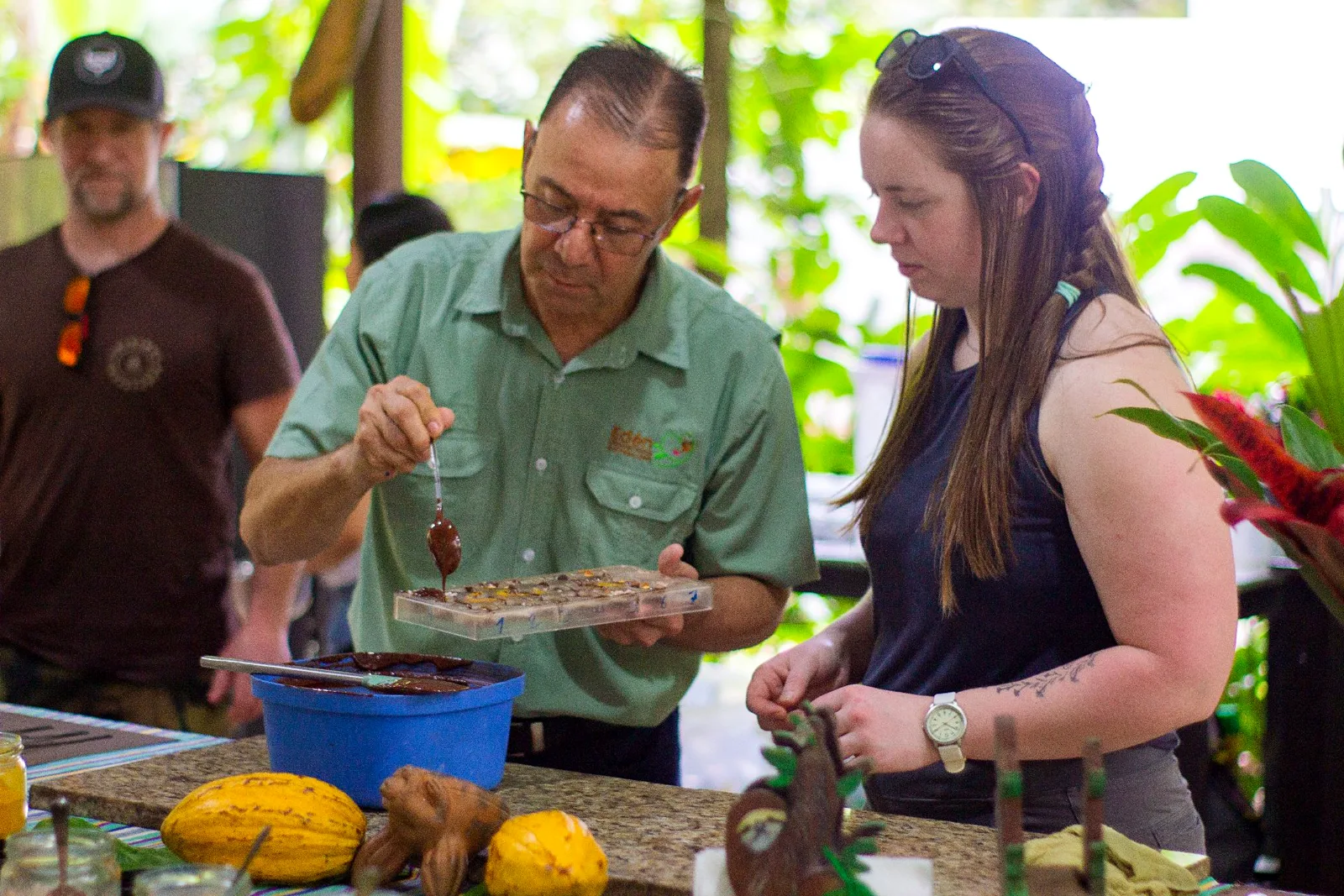
Chocolate, start to finish. On the coffee, chocolate and sugar cane tour you crack open a cacao pod, grind roasted beans and taste the result. It's a good low-key half day if your legs need a break from the trails.
-
More ideas: browse all our La Fortuna tours, including rafting, ziplining, sloths and coffee and chocolate.
What to book first
- Your hotel. Book 2-3 months out for February, more if your dates fall mid-month.
- Your transport. Book a rental car (especially an automatic or 4x4) or a shuttle 2-3 months ahead.
- Must-do tours. A week or two ahead is usually fine. Book earlier for mid-February or if you're only in town for a day or two.
Getting to La Fortuna
- From SJO (San José airport): about 2.5-3 hours by car, on paved but winding mountain roads. Leave early to beat Central Valley traffic.
- From LIR (Liberia airport): about 2.5-3 hours, via Upala and Bijagua or around Cañas and Tilarán.
- Shuttles: shared shuttles run from both airports, roughly $55-70 per person.
- Do you need a 4x4? Not for town and the main sights, which are paved. It helps for some hilltop lodges. See our 4x4 guide.
Once you're in town, most things are 10-30 minutes away, and all of our tours can include hotel pickup.
What to pack
- Light, quick-dry clothes. Cotton stays damp in the humidity.
- A packable rain shell, just in case.
- A hat, sunglasses and reef-friendly sunscreen. The February sun is strong.
- A light layer for evenings and early volcano starts.
- Closed-toe shoes for trails, plus sandals that can get wet.
- Bug spray for dusk and night walks.
- A swimsuit (or two) and a dry bag for the waterfall and hot springs.
Want help fitting the volcano, bridges and hot springs into your February dates? Tell the Adventure Planner what you're into, and we'll help you map it out.
Prices and fees last checked October 2026.
Let's build your Costa Rica trip.
Browse locally-vetted tours, or tell us what you're dreaming up and we'll help shape it.
Common questions
Is February a good time to visit La Fortuna?+
Yes. It's one of the driest, most reliable months for the volcano, waterfalls and hanging bridges. The trade-off is high-season prices and busier trails.
Does it rain in La Fortuna in February?+
A little. Showers are usually short and often overnight. Pack a light rain shell, but don't plan around rain.
Can you see Arenal Volcano in February?+
Often, especially early in the morning. Clouds tend to build by late morning.
When does it get dark in February?+
The sun sets around 5:30 PM, and it's properly dark by about 6:00-6:15 PM.
How much is Arenal Volcano National Park?+
Just under US$20 per adult.
Is La Fortuna crowded in February?+
Busier than most months, especially mid-month when US and Canadian school breaks overlap. Go to the waterfall and the national park at opening to beat the groups.
Do I need a rental car in February?+
No. Shuttles connect both airports to town, and all of our tours can include hotel pickup. A car gives you flexibility for early starts and the free hot river.